Do you know what DOG ESSENTIALS you are missing out? Find out now!


Zack Keithy, our author, is a certified veterinarian technician (UC Blue Ash) for over 6 years (contact him here). The articles written here are based on his expertise and experience, combined with a review by our expert vet reviewers including Dr M. Tarantino. Learn more about us here.
Wyoming ranchers and law enforcement officials are urging the public to stop removing livestock guardian dogs from rural pastures after a wave of well-meaning citizens mistaken working animals for strays. Cowboy State Daily reported on the growing issue on October 16, 2026.
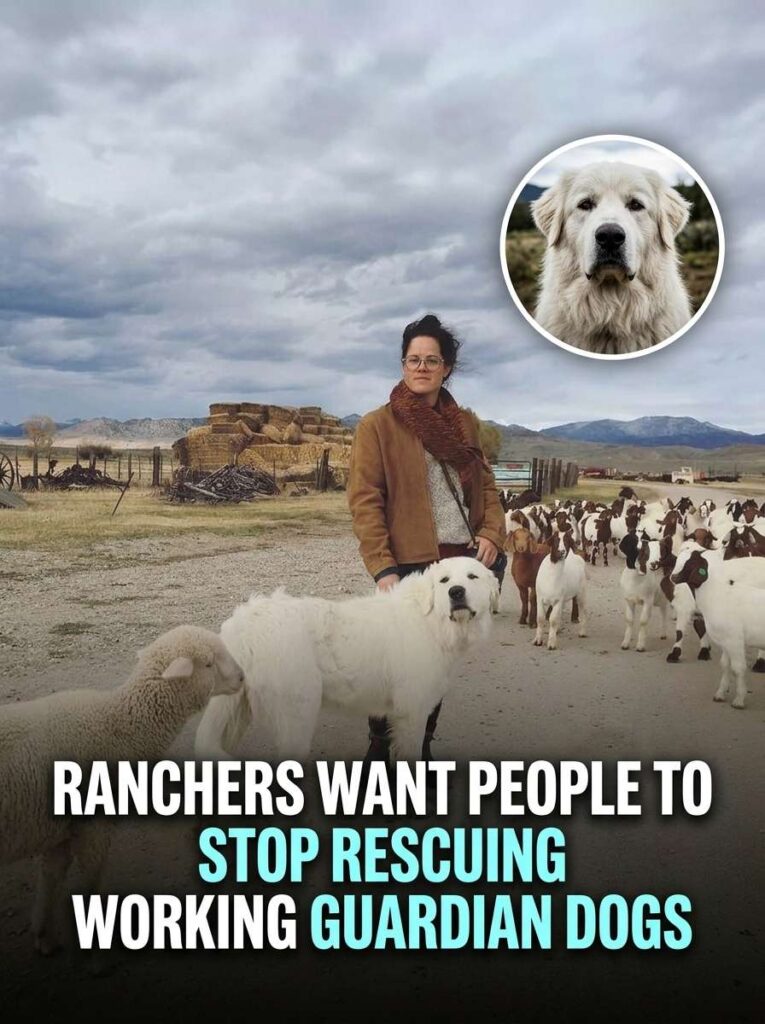
The problem gained recent attention after Martin Wissner, a rancher near Carpenter, Wyoming, had to retrieve his Akbash guardian dog, Faith, from an animal shelter in Cheyenne.
A new neighbor had picked up Faith just outside a pasture fence on Wissner’s property—mistaking her naturally lean Akbash frame for malnourishment—despite the dog wearing a collar and identification tags. Wissner had to travel 30 miles and pay an impound fine to retrieve his working animal.
In response to frequent calls and shelter drop-offs, the Fremont County Sheriff’s Office issued an official statement advising residents and visitors that large dogs spotted near open ranges are working animals patrolling livestock.
Unlike herding dogs or indoor pets, livestock guardian breeds live 24/7 with sheep and goats, roaming property perimeters to deter predators.
Local shelter managers and agricultural representatives noted that subdividing rural acreage into smaller residential plots has brought new residents unfamiliar with open-range agricultural practices.
Authorities recommend that anyone concerned about a loose animal check for nearby livestock and contact local law enforcement rather than picking up the dog directly.
My thoughts:
- Public education regarding working livestock breeds helps prevent unnecessary shelter intake and protects rural livestock operations from predator loss.
- Misinterpreting breed-specific physical traits can lead well-intentioned individuals to interfere with healthy working animals in their natural element.
- Direct communication with local law enforcement or animal control before disturbing free-roaming animals in rural areas prevents property disputes and costly impound fees.