Do you know what DOG ESSENTIALS you are missing out? Find out now!



Zack Keithy, our author, is a certified veterinarian technician (UC Blue Ash) for over 6 years (contact him here). The articles written here are based on his expertise and experience, combined with a review by our expert vet reviewers including Dr M. Tarantino. Learn more about us here.
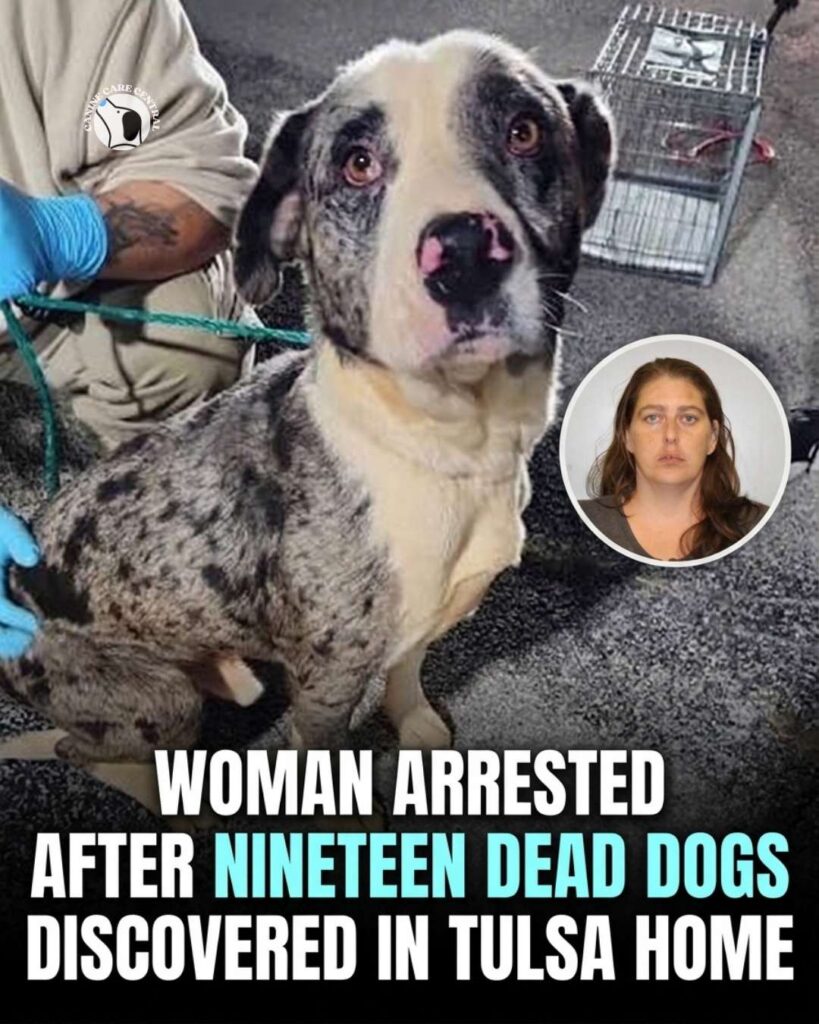
A Oklahoma woman faces severe criminal charges following a joint investigation that uncovered dozens of living and deceased animals across two locations. Shelby Banks and Joseph Mahan reported on the major animal neglect seizure for local news outlets on November 5 and November 6, 2026.
The initial response began on Wednesday, November 4, 2026, near 12th Street and Memorial Drive in Tulsa, Tulsa County, Oklahoma 74112, United States.
Animal control officers requested urgent assistance from the Tulsa Police Department after detecting strong odors of decay and heavy insect activity outside a residential property.
Officers initially feared a deceased human was inside the home before resident Marcia Reynolds answered the door.
Upon entry, investigators discovered 19 deceased dogs along with 24 living animals confined in metal crates amidst severe waste accumulation.
Reynolds admitted to living in the residence full-time without functional air conditioning, citing heat exposure as a primary factor in the animal deaths.
Authorities subsequently arrested Reynolds on 29 counts of animal cruelty and set her bond at $580,000.
On Thursday, November 5, 2026, Tulsa Animal Services executed a follow-up search warrant at a second location near East 21st Street and South 129th East Avenue.
Rescuers removed 14 additional emaciated dogs and one cat from unsanitary conditions, bringing all surviving animals into protective custody.
Tulsa Animal Services issued an official statement clarifying intake protocols following requests from local rescue groups.
Officials explained that secure staging areas are strictly required to ensure thorough medical documentation, photographic evidence collection, and safe animal handling during complex investigations.
My thoughts:
- Multi-location animal hoarding cases require extensive inter-agency cooperation between municipal police and local animal services.
- Extreme indoor temperature fluctuations combined with lack of ventilation create lethal environments for crated domestic animals.
- Establishing controlled staging areas during rescue operations is essential for preserving legal evidence and ensuring veterinary safety.
- High financial bail amounts reflect the severe public safety and criminal accountability standards applied to large-scale animal cruelty.
- Systematic intake protocols using microchips enable shelters to track individual animals accurately during complex rescue operations.
- Ongoing public updates help manage community expectations while protective agencies complete mandatory medical and legal assessments.
Source: Tulsa Police Department, Tulsa Animal Services, Shelby Banks, and Joseph Mahan