Do you know what DOG ESSENTIALS you are missing out? Find out now!



Zack Keithy, our author, is a certified veterinarian technician (UC Blue Ash) for over 6 years (contact him here). The articles written here are based on his expertise and experience, combined with a review by our expert vet reviewers including Dr M. Tarantino. Learn more about us here.
Animal rescue workers in Williston and surrounding north central Florida communities report receiving significantly more requests to surrender dogs than adoption applications, as shelters struggle with overcrowding and contagious bacterial outbreaks. WCJB published the report on October 14, 2026.
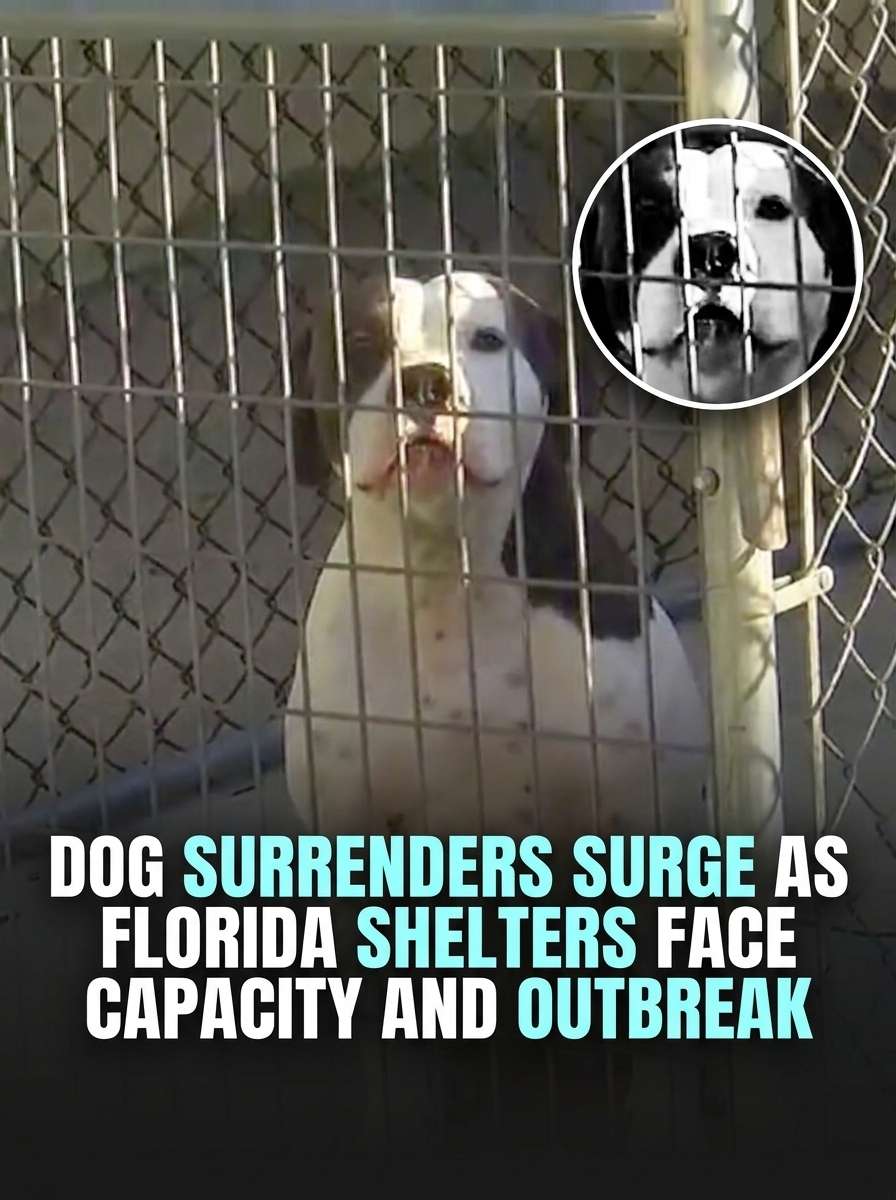
Alachua County Animal Services has been under quarantine since the previous Thursday following multiple confirmed cases of “zoo strep,” with no formal timeline announced for resuming normal operations. While cat adoptions and foster services remain operational, dog operations are severely restricted.
Out of five regional animal organizations contacted by reporters, four were operating at full capacity. The Williston Animal Group (WAG) remained below capacity but reported a massive influx of surrender inquiries.
“For every adoption request we get we’re getting six to seven surrender requests, so we’re getting significantly more people who are no longer able to care for their dogs,” said Theresa Ridinger, WAG treasurer, citing widespread financial hardships.
Shelter officials recommend keeping sick dogs isolated and avoiding communal areas like dog parks due to the high contagiousness of the strain. While Alachua County Animal Resources remains open for lost pet redemptions and public safety emergencies, local facilities are desperately urging community members to step up as foster parents or adopters to alleviate the strain.
My thoughts:
The ratio of six to seven surrender requests for every single adoption highlights a severe economic and logistical bottleneck facing rescue groups in the region.
Contagious outbreaks like “zoo strep” hitting shelters simultaneously with capacity crunches create compound emergencies, forcing facilities to quarantine spaces that are already overflowing.
Community fostering programs represent the primary lifeline for shelters during extended quarantines, providing isolated environments for animals while facilities work through medical protocols.
Source: WCJB and Williston Animal Group


