Do you know what DOG ESSENTIALS you are missing out? Find out now!



Zack Keithy, our author, is a certified veterinarian technician (UC Blue Ash) for over 6 years (contact him here). The articles written here are based on his expertise and experience, combined with a review by our expert vet reviewers including Dr M. Tarantino. Learn more about us here.
A clean-up effort is underway at Greyhound Gap, a dog rescue charity near Kidsgrove, after heavy flooding from Storm Austen inundated its kennels.
The facility is located near Kidsgrove, North Staffordshire, ST7, United Kingdom. Liz Copper reported on the emergency response and appeal for BBC News on October 25, 2026.
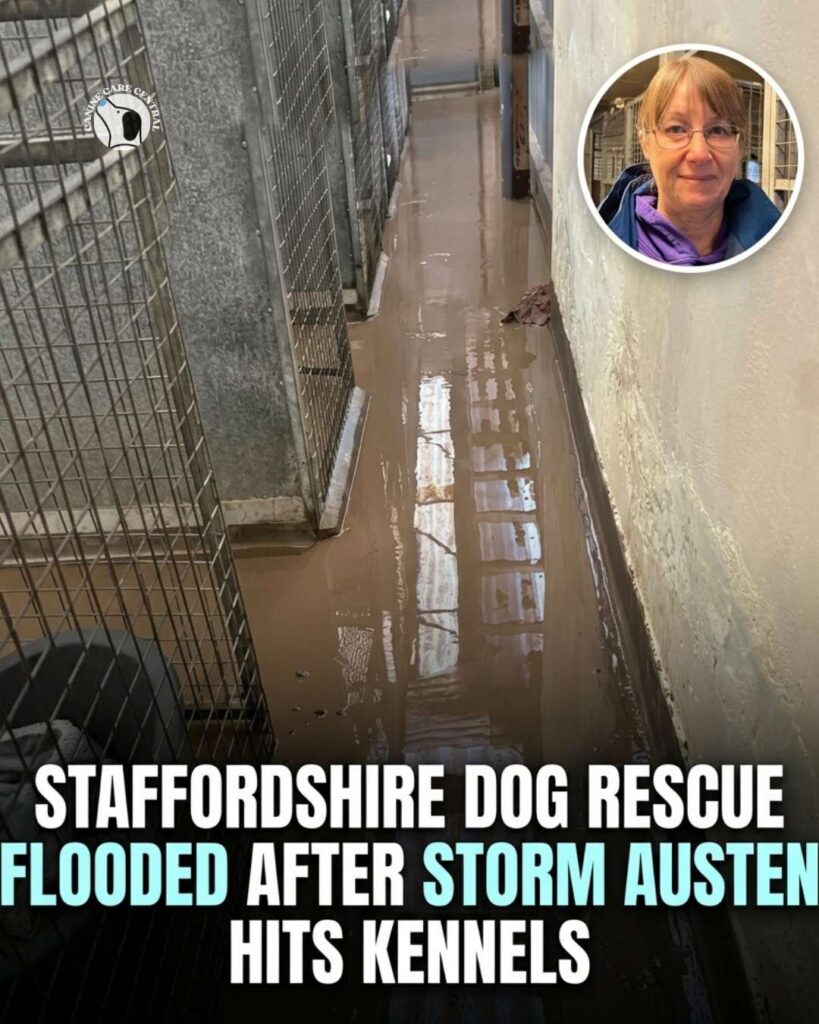
Storm Austen swept across the region on Friday, sending a deluge of mud and water off neighboring fields and into the charity’s shelter facilities.
Staff members reacted rapidly by moving animals to vehicles and spare enclosures, but severe flooding forced the emergency evacuation of 15 of the nearly 50 dogs housed at the facility.
Local partner kennels, veterinary clinics, and nationwide rescue groups provided emergency housing for the displaced dogs.
Although all dogs and staff remained safe, the sanctuary faces compounded financial stress from clean-up costs, seasonal heating expenses reaching around 2,000 pounds per month, and monthly veterinary bills averaging up to 8,000 pounds.
The charity’s founder, Lisa Cartwright, and assistant manager, Sarah Partridge, issued an urgent community appeal for financial donations, food, and local tradespeople to assist with structural repairs as further high winds from Storm Boleo affect the region.
My thoughts:
- Severe weather events pose significant operational and safety challenges for animal shelters and kennels.
- Rapid emergency response by dedicated staff is essential for keeping rescue animals safe during natural disasters.
- Collaborative networks among local rescues and veterinary clinics provide a crucial safety net during facility emergencies.
- Rising utility and veterinary costs put enormous financial pressure on non-profit animal welfare organizations.
- Community support and volunteer involvement are vital for helping rescue facilities recover from structural damage.
- Long-term infrastructure planning and flood defenses are increasingly necessary for animal shelters in vulnerable areas.
Source: BBC News (Liz Copper) and Greyhound Gap Rescue