Do you know what DOG ESSENTIALS you are missing out? Find out now!


Zack Keithy, our author, is a certified veterinarian technician (UC Blue Ash) for over 6 years (contact him here). The articles written here are based on his expertise and experience, combined with a review by our expert vet reviewers including Dr M. Tarantino. Learn more about us here.
If you have ever had to say no to a puppy because of itchy eyes, a runny nose, or chest tightness, we have some potentially life-changing news. For millions of people, the dream of owning a dog has been perpetually out of reach due to pesky pet allergies. But thanks to groundbreaking new research, that dream might finally be becoming a reality.
The Science Behind the Sniffles
Most dog allergies aren’t actually caused by fur, despite popular belief. They are triggered by proteins found in a dog’s saliva, urine, and dander—specifically a protein known as Can f 1. When a person with an allergy interacts with a dog, their immune system goes into overdrive, leading to those familiar, uncomfortable symptoms.
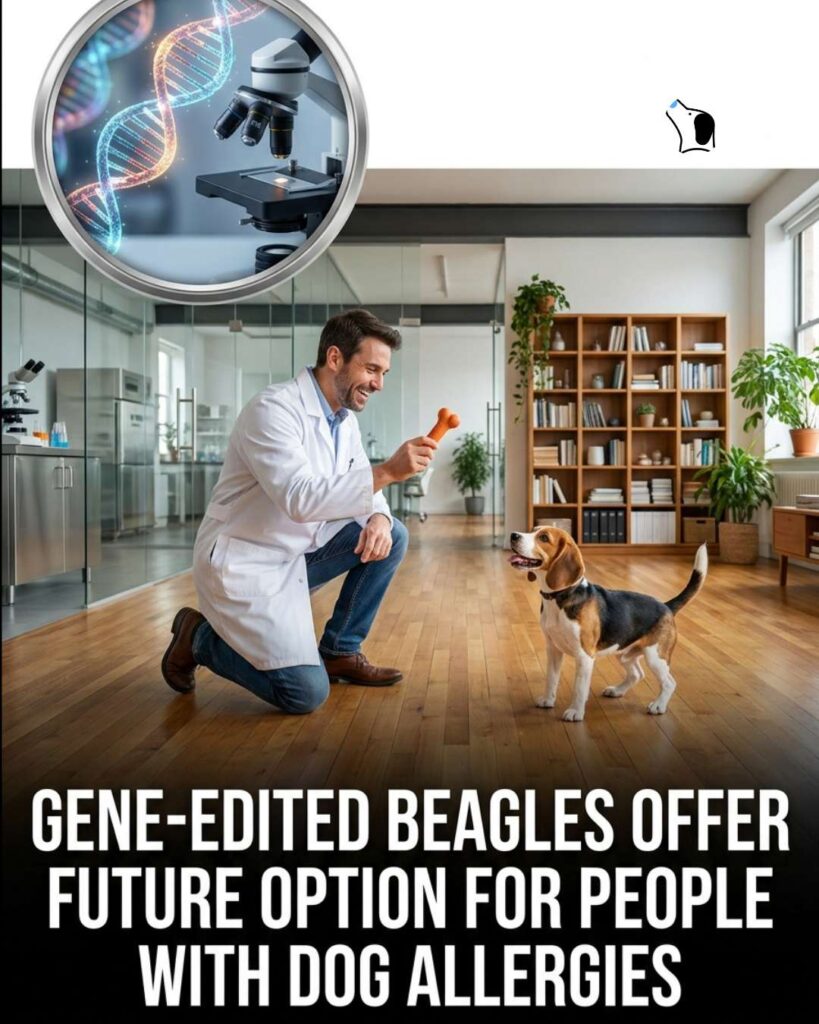
Scientists have recently turned to gene-editing technology to address the root cause of these allergic reactions. By using advanced CRISPR techniques, researchers have successfully produced beagles that lack the specific gene responsible for creating the major allergen that plagues so many prospective dog owners.
Are Gene-Edited Dogs the Future?
This development is creating a massive buzz in both the scientific community and among animal lovers. While the research is still in its early stages, the goal is clear: to create dogs that are truly hypoallergenic. Unlike current “hypoallergenic” breeds, which often still produce allergens in varying amounts, these gene-edited pups would be biologically incapable of producing the primary protein that causes reactions in most humans.
What Does This Mean for You?
While you won’t be picking up a gene-edited puppy from your local shelter next week, this breakthrough marks a significant shift in how we approach pet allergies. It opens the door to a future where households are no longer divided by allergic reactions and where everyone—regardless of their immune system’s sensitivities—can enjoy the companionship of a furry best friend.
As this technology moves forward, ethical considerations and long-term health studies will be at the forefront of the conversation. However, for those who have spent their lives dreaming of a dog-filled home, this represents the most promising leap forward in decades.
Stay tuned—if this technology holds up, your future dog might just be a scientific marvel. Would you consider adopting a gene-edited dog to finally conquer your allergies? Let us know your thoughts!
Originally published here.