Do you know what DOG ESSENTIALS you are missing out? Find out now!

Zack Keithy, our author, is a certified veterinarian technician (UC Blue Ash) for over 6 years (contact him here). The articles written here are based on his expertise and experience, combined with a review by our expert vet reviewers including Dr M. Tarantino. Learn more about us here.
Chloe Landt brings her three year old son, Ben, to Shriners Children’s Hospital in Spokane every week for physical therapy. Ben was born with spastic cerebral palsy, a condition that primarily affects his motor function and ability to walk. What used to feel like a repetitive, dreaded routine has shifted into something far more positive, thanks to an unexpected team member, a facility dog named Ginny.
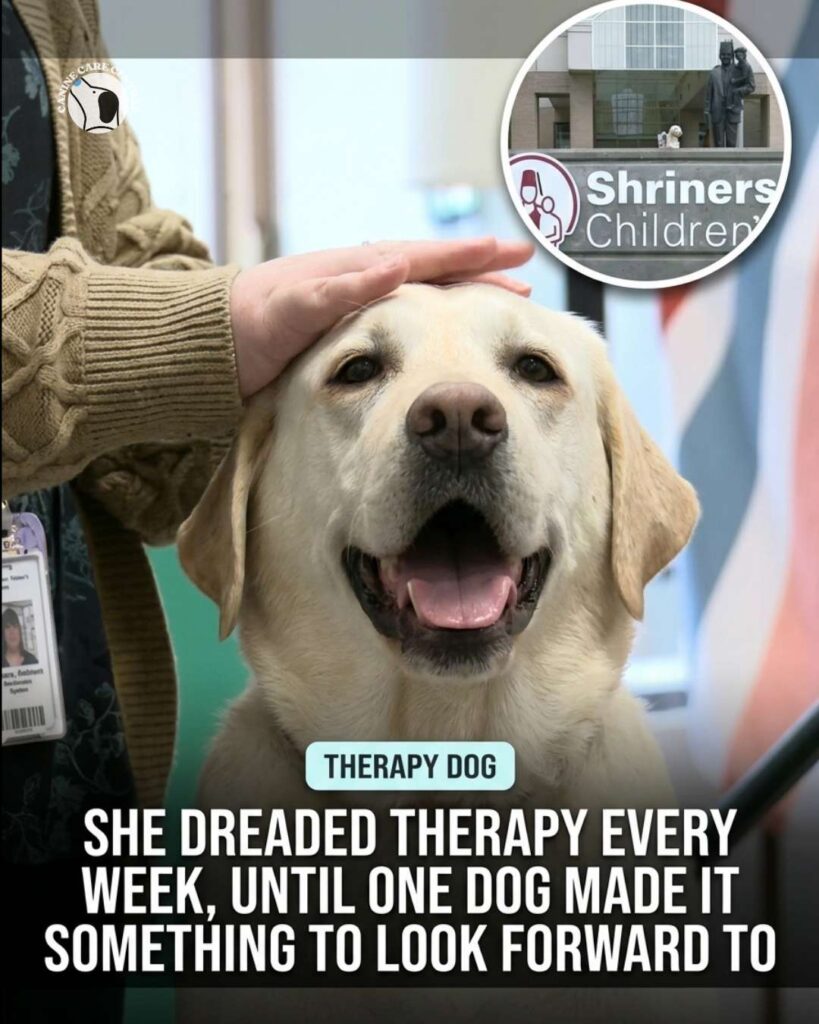
Ginny’s role goes beyond simply being a friendly presence in the building. As a certified facility dog, she serves one of the most important functions in a pediatric medical setting, helping children feel comfortable and safe during hospital visits. For Ben, she’s become a genuine motivator during his sessions. Each week, he works on controlling his muscles and improving his balance using special Velcro shoes, exercises designed to strengthen his motor function but that can wear thin on both child and parent through sheer repetition. “When you come to therapy every single week, it gets repetitive and just kind of ends up not being the greatest time,” Chloe said. “You kind of start to dread it a little bit.”
That’s where Ginny makes a real difference. Ben throws a ball to her and bends down to pet her, simple actions that double as therapeutic exercise, working on bending, balance, and coordination while keeping him genuinely engaged rather than just going through the motions. “Ginny just gives him a little more confidence and makes the sessions more playful,” Chloe said. “He has a lot more fun with Ginny.”
The impact isn’t limited to patients either. Kristin Monasmith, director of marketing and communications at Shriners, described what Ginny’s presence has come to mean for the staff as well. “When she comes in and snuggles in and flops over to give me kind of that hug and love so I can give her back that hug and love as well, that just, it’s the best feeling,” she said. “We feel lucky to have her.”
For Chloe, Ginny’s presence in Ben’s therapy journey represents something bigger than making appointments more enjoyable. She emphasized the importance of keeping normalcy and playfulness in the lives of children with disabilities, and encouraged others not to underestimate what kids like Ben are capable of. “Having the normalcy and the playfulness and the fun added to these kinds of things just really helps a lot,” she said. “I would also say not to limit children with disabilities. They can do a lot more than you think, and they’re just like any other kid.”
My thoughts: What stands out here is how ordinary Ginny’s actual job looks on the surface, a dog fetching a ball, getting petted, lying down for a hug, compared to how much it’s actually doing underneath. Every one of those small interactions is engineered to work the exact muscles and coordination skills Ben needs, without it feeling like work to him at all. Chloe’s closing point is probably the one worth sitting with longest, that the goal isn’t just clinical progress, it’s protecting a sense of normal childhood inside a routine that could otherwise start to feel like nothing but appointments and exercises.
Source: KXLY