Do you know what DOG ESSENTIALS you are missing out? Find out now!



Zack Keithy, our author, is a certified veterinarian technician (UC Blue Ash) for over 6 years (contact him here). The articles written here are based on his expertise and experience, combined with a review by our expert vet reviewers including Dr M. Tarantino. Learn more about us here.
For 14-year-old Truman, an ordinary Friday in February 2025 turned into the day his family’s world changed.
After some routine bloodwork that morning to check on chronic fatigue and paleness he’d been experiencing, his mother, Claudia, got a call that evening that no parent wants to receive: his pediatrician was alarmed by his white blood cell levels and urged the family to get to a pediatric oncology unit immediately.
That night, they heard the word leukemia for the first time.
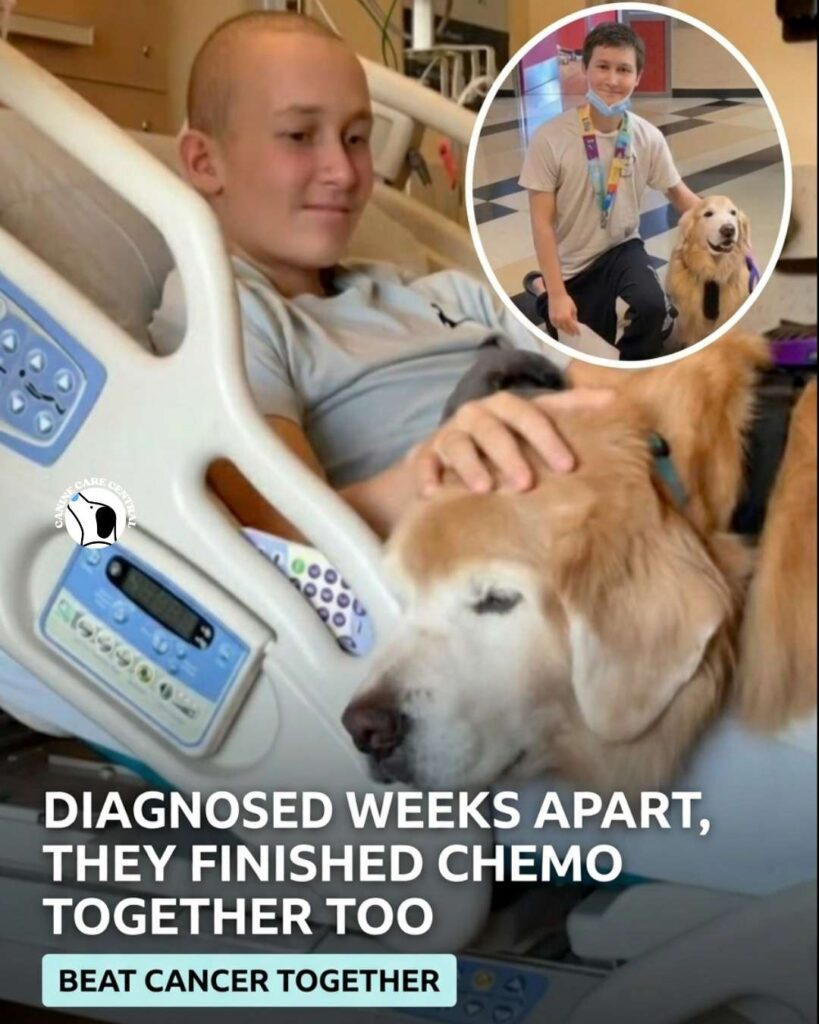
Truman was transported to Children’s Hospital Los Angeles, where doctors in the Leukemia and Lymphoma Program diagnosed him with acute myeloid leukemia and began preparing him for inpatient chemotherapy. He was admitted around midnight and settled into his hospital room not knowing what the coming months would hold.
The next morning, a volunteer knocked on his door and asked if he’d like a visit from a therapy dog. Truman hesitated, then agreed. In walked Hogan, a 10-year-old golden retriever with a graying muzzle, alongside his handler, Tina, who had been volunteering with the hospital’s Amerman Family Foundation Dog Therapy Program since 2017. Hogan hopped up onto Truman’s bed, circled once, and settled in beside him with a heavy sigh, falling asleep almost immediately.
Claudia described the moment as an instant connection unlike anything she’d seen, even with the family’s own dogs at home. That bond deepened further once the family learned something remarkable: Hogan was facing his own cancer diagnosis and treatment at the same time as Truman.
The months that followed were grueling for both of them. Truman underwent multiple rounds of intensive chemotherapy, which meant long hospital stays, lost hair, a diminished appetite, and long stretches of isolation from friends, who were mostly reduced to video calls. Hogan’s visits became one of the few things that broke up the monotony. Nurses would clear space so he could climb onto the bed or rest his head in Truman’s lap, staying steady and calm on hard days and offering quiet company on better ones.
Truman finished his fourth and final round of chemo on June 18, ringing the hospital’s end-of-treatment bell to mark the milestone. Hogan followed close behind, completing his own treatment and ringing his own bell on August 21.
Truman later said meeting Hogan felt like the first real break he’d gotten during treatment, and that they helped each other calm down and feel better throughout it. He’s since returned to school, riding his bike, and roughhousing with friends again, activities his family says they’ll never take for granted.
For a teenager and a therapy dog who happened to be diagnosed within weeks of each other, healing turned out to be something they did side by side.