Do you know what DOG ESSENTIALS you are missing out? Find out now!


Zack Keithy, our author, is a certified veterinarian technician (UC Blue Ash) for over 6 years (contact him here). The articles written here are based on his expertise and experience, combined with a review by our expert vet reviewers including Dr M. Tarantino. Learn more about us here.
Thousands of dogs and cats across Texas are stuck in limbo, with adoptions and transfers on hold because of efforts to contain the New World screwworm, a flesh-eating parasite that crossed from Mexico into the United States for the first time in 60 years.
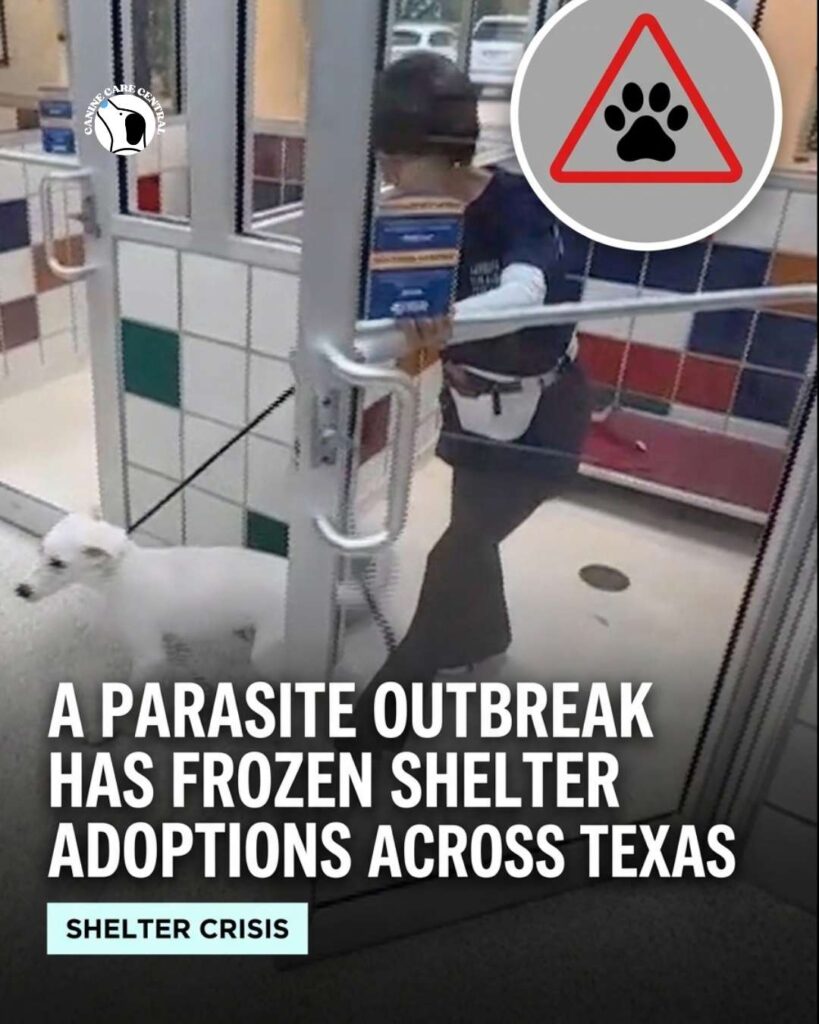
The screwworm primarily threatens livestock, and federal officials have closed the border to cattle movement in response, citing risk to the nation’s $113 billion beef industry. Because the parasite can also infect pets, most states have restricted the movement of animals coming out of infested areas of Texas, disrupting a system that moved close to 89,000 unadopted Texas shelter dogs to other states last year alone, according to the American Society for the Prevention of Cruelty to Animals.
That disruption is landing directly on shelters that depend on out-of-state adoptions to keep their populations manageable. Florida banned imports of rescued dogs and cats from Texas and New Mexico within a week of the first reported Texas case this year. Other states have kept their doors open but now require veterinarians to certify animals as parasite-free before crossing state lines, in some cases shortening how long that certification stays valid from the standard 30 days down to as little as three.
Mia Bendixsen, executive director of the Texas Humane Legislation Network, said the restrictions have created real strain for shelters of every size. She described the situation as having thrown a wrench into operations for both small rescues and large shelters alike.
The Houston Humane Society has been managing the fallout by leaning on a network of foster homes capable of taking in up to 300 additional animals beyond its shelter population, which it has worked to hold around 200. The organization typically sends roughly 500 dogs a year to homes outside Texas, and has also been encouraging pet owners to hold onto their animals a little longer rather than surrendering them, in an effort to ease pressure on kennel space.
The stakes are significant. Texas already led the nation in 2025 for the number of unadopted shelter dogs transferred out of state, and also led in the number of dogs euthanized, with roughly 45,000 dogs put down that year, according to ASPCA data. The state also led in cats transferred out of state and ranked second nationally, behind California, in cat euthanasia numbers.
Longer term, federal officials are working to reestablish the sterile insect technique that helped the U.S. largely eradicate the screwworm by the early 1970s, releasing sterile male flies to mate with wild females whose eggs then fail to hatch. That effort includes a $750 million sterile fly breeding facility under construction in southern Texas, expected to open in April 2027, alongside smaller existing facilities in Texas and southern Mexico currently dispersing sterile flies bred in Panama.
Until that infrastructure comes online, shelters across Texas are left managing a bottleneck with no clear end date, and the animals caught in that bottleneck are running out of time.
Original story here.