Do you know what DOG ESSENTIALS you are missing out? Find out now!


Zack Keithy, our author, is a certified veterinarian technician (UC Blue Ash) for over 6 years (contact him here). The articles written here are based on his expertise and experience, combined with a review by our expert vet reviewers including Dr M. Tarantino. Learn more about us here.
IndyCar driver Graham Rahal and his wife Courtney are appealing to the Southern California community for help following the suspicious disappearance of their two family dogs, Arrow and Beau. Grant Young reported on the potential dognapping incident on October 15, 2026.
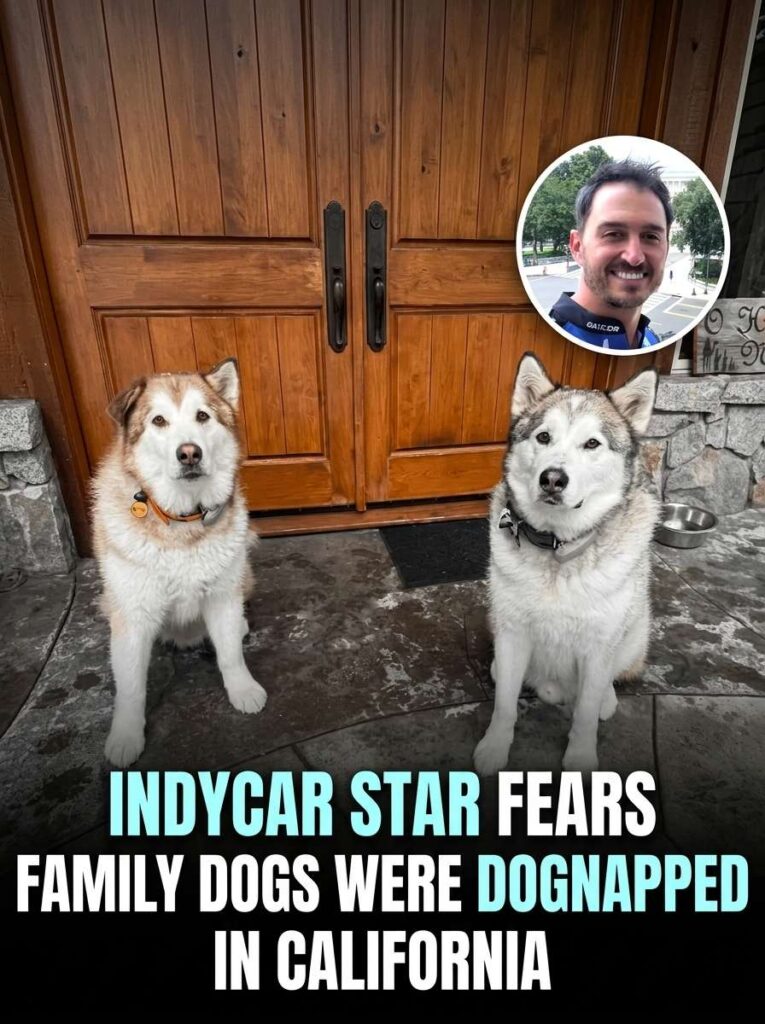
The situation unfolded Wednesday morning after a gate malfunction at the couple’s Yorba Linda home allowed the two dogs to escape onto the street. Digital tracking data from a GPS device attached to one of the dogs indicated that both pets were picked up by an unknown vehicle approximately 200 yards from the residence shortly after getting loose.
Tracking signals showed the vehicle traveled through Yorba Linda and Tustin before heading toward Brea. However, the tracking signal abruptly stopped when the electronic tracking device was discarded into roadside bushes in Brea.
Rahal confirmed to news outlets that the tracking unit had been deliberately unclipped and removed from the collar, leading the family to believe the dogs were intentionally stolen.
While the tracker was discarded, both dogs are implanted with microchips, ensuring local veterinary clinics and animal shelters can identify them if brought in. The Rahal family continues to circulate social media appeals, requesting anyone with local security footage or information regarding Arrow and Beau to contact authorities immediately.
This disturbing case highlights the rapid escalation from a routine pet escape to an intentional theft. When animals escape property grounds, opportunists can quickly exploit the situation before owners even realize a gate has failed.
GPS tracking devices provide vital real-time data during animal disappearances, but as seen in this case, physical hardware can be intentionally removed by thieves. Microchipping remains the most reliable permanent safeguard for stolen pets because internal chips cannot be unclipped or tossed aside.
Public appeals across social media channels and local news outlets remain critical tools for generating leads during active pet theft investigations. Community involvement often pressures thieves to abandon stolen animals or return them anonymously to regional shelters.
My thoughts:
- GPS tracking collars provide immediate location history, but permanent microchipping serves as the definitive legal proof of ownership when physical devices are removed.
- Automatic gates and perimeter fencing require routine maintenance checks to prevent accidental escapes that leave pets vulnerable to opportunists.
- Public social media alerts and local media coverage create critical community awareness, increasing the likelihood that stolen animals are identified at veterinary offices.
- Immediate police reports and shelter notifications help establish a paper trail that aids law enforcement in tracking down suspects in pet theft cases.
- Responsible pet ownership includes keeping updated microchip registry contacts so shelters can reach owners instantly upon recovery.
- High-profile theft cases highlight the need for stricter legal penalties surrounding dog theft and animal trafficking.
Source: Grant Young, Instagram (@grahamrahal, @courtneyforce), and TMZ