Do you know what DOG ESSENTIALS you are missing out? Find out now!


Zack Keithy, our author, is a certified veterinarian technician (UC Blue Ash) for over 6 years (contact him here). The articles written here are based on his expertise and experience, combined with a review by our expert vet reviewers including Dr M. Tarantino. Learn more about us here.
When BBC Radio 1 presenter Greg James spoke publicly about the grief and heartbreak he felt after his chocolate labrador, Barney, was put to sleep, it struck an immediate chord with one BBC writer who had lost her own dog only weeks earlier.
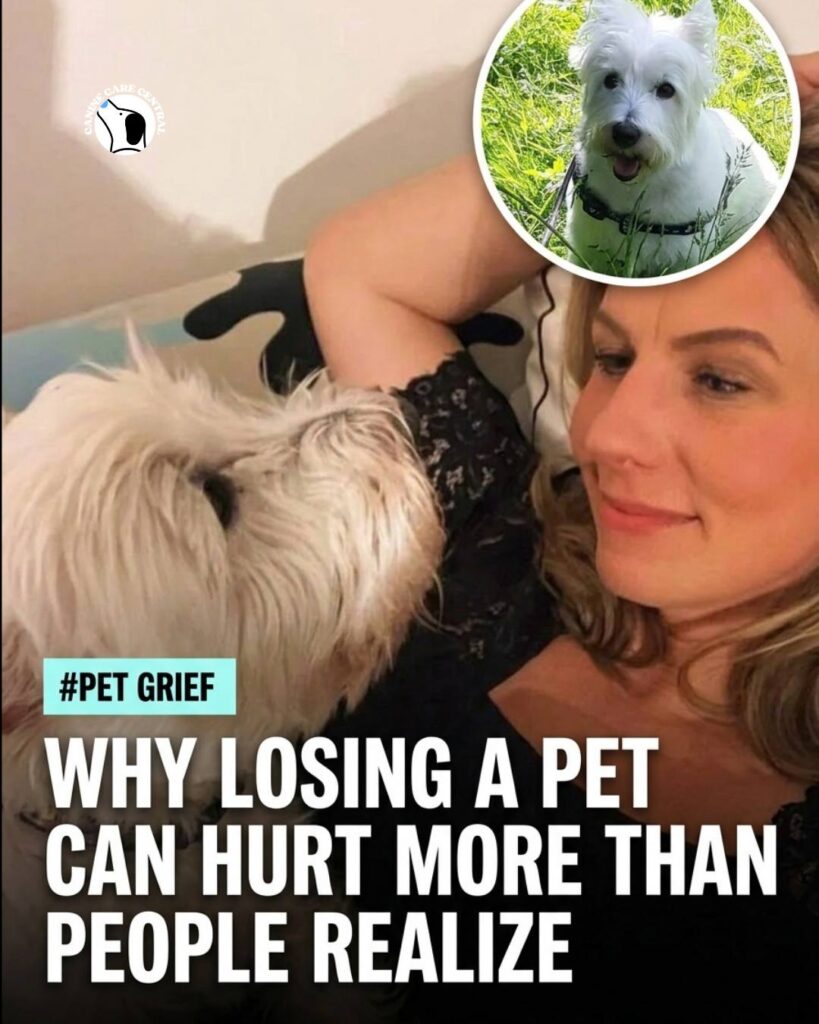
Her dog, Lara, a white West Highland Terrier who had just turned 11, died at the end of June. Lara had always been full of life, prone to rolling in mud and radiating what the writer called classic Westie joy, and it had never occurred to her owner that Lara might one day become seriously unwell. That changed toward the end of April, when Lara began sleeping far more than usual, lost her appetite, and at times seemed disoriented, gradually losing her enthusiasm for life.
As Lara’s condition worsened, her owner couldn’t bear the idea of her being alone, and spent two and a half months sleeping on the sofa just to stay close to her. In Lara’s final weeks, she was given treats, favorite foods, home baths and blow-dries, and constant attention. On one of the last hot days in June, just before her final vet visit, Lara enjoyed an ice cream and lay in the sunshine on the grass in the garden. At the vet’s office, the last thing she heard before she died was how loved she was.
Her owner described it as one of the hardest days of her life. It took her a long time to move Lara’s food bowl afterward, and she still wrestles with guilt over the decision to euthanize, even while knowing it was the kindest choice she could make for Lara.
That experience, paired with James’ very public loss, prompted a broader look at how society treats pet bereavement, and how isolating that grief can be. Annalisa de Carteret, a pet loss support manager at the animal charity Blue Cross, said the experience can feel lonely, in part because society doesn’t always understand its impact. She noted that losing a pet often brings a wave of guilt, with owners second-guessing decisions around euthanasia and timing.
Dr. Caroline Ficker, a palliative veterinarian who said she was deeply shaken after the death of her own dog, Brodie, explained that guilt is a natural response tied to the level of responsibility owners carry for their pets’ medical care. Because of that responsibility, de Carteret said, grief over a pet’s death can sometimes hit harder than the loss of a person.
Gemma Champ, a writer from north London, described a similar experience after her cat Frankie, whom she’d rescued as a kitten 17 years earlier while living in Abu Dhabi, died at home in January. She initially felt embarrassed by the depth of her grief, but said that reaching out to friends revealed just how many people had their own strong memories of Frankie, and how widely shared this kind of loss really is. She said she hopes people are increasingly learning not to dismiss a pet’s death as a lesser kind of grief.
Workplace support for pet loss remains inconsistent. After Greg James announced Barney’s death, he simply told listeners he wouldn’t be on air the next day. Not everyone has that flexibility. In 2019, Emma McNulty from Glasgow lost her 14-year-old terrier, Millie, suddenly, and was too distraught to work her shift at a sandwich shop. When she couldn’t find coverage, her part-time job was terminated, prompting her to launch an online petition calling for employers to formally recognize pet bereavement.
No country currently requires employers to offer paid leave after a pet’s death, though Kara Stott, head of in-house legal at law firm Peninsula, said more UK employers are showing informal flexibility toward grieving pet owners, even without a change in the law. She noted that formal bereavement policies raise tricky questions, including how broadly to define which animals qualify.
Gemma Champ, who works freelance, was able to take a few days off after Frankie’s death with support from an understanding client, though she suspects that wouldn’t have been possible in a traditional office job.
For the writer who lost Lara, it’s now been roughly six weeks since her death. She still instinctively expects to see her wagging tail every time she opens the front door, and some days she still imagines hearing her drink water or walk across the floor. She admits she sometimes has to look away from a framed photo of Lara because it’s still too painful. She expects the grief will ease with time, but knows she will miss her deeply for a long while yet.
Original story here.


