Do you know what DOG ESSENTIALS you are missing out? Find out now!



Zack Keithy, our author, is a certified veterinarian technician (UC Blue Ash) for over 6 years (contact him here). The articles written here are based on his expertise and experience, combined with a review by our expert vet reviewers including Dr M. Tarantino. Learn more about us here.
Many times when people have big events, they like to serve something to make it a special occasion such THE CHEESECAKE!
Traditional cheesecakes can be very rich and are not safe to be eaten by dogs.
So, using this simpler recipe (that uses only cottage cheese and yogurt), we can create a great-tasting dessert that has that creamy, decadent texture but does not put your dog’s health at risk by causing an emergency call at 2 A.M. to your veterinarian for help.
Medical Questions? Talk to a Veterinarian 24/7.
Connect one-on-one with a licensed vet who will answer your questions in minutes.
*Article may contain affiliate links to retailers like Amazon and Chewy. Learn more on our disclosure page.
Choosing the Right Dairy Base
The secret to a successful dog cheesecake lies in the selection of the dairy. Most dogs struggle with the high lactose content found in standard cream cheese or heavy cream. By substituting these with lighter, more digestible options, we can create a treat that is both safe and satisfying.
The Benefits of Cottage Cheese
Cottage cheese is a marvelous ingredient for the canine kitchen. It is lower in fat and lactose than many other cheeses, yet it provides a wonderful, creamy structure when blended. It is also an excellent source of protein and calcium, which are vital for maintaining strong bones and healthy muscles.
Yogurt as a Probiotic Boost
Using plain, unsweetened yogurt adds a delightful tang and a dose of beneficial bacteria. These probiotics are essential for a healthy gut, helping to balance the digestive system. Always ensure the yogurt is free from any artificial sweeteners, particularly Xylitol, which is highly toxic to dogs.
[lasso ref=”fave” id=”19043″]
Crafting the Perfect Crust
A cheesecake is nothing without its base. For our canine version, we avoid the sugary graham crackers used in human recipes and instead opt for a wholesome, crunchy foundation that provides a satisfying texture.
- Oat and Honey Base: A simple mixture of oat flour and a touch of honey creates a sturdy crust that holds up well under the creamy filling.
- The Crunch Factor: Baking the crust for a few minutes before adding the filling ensures it stays crisp and doesn’t become soggy from the moisture of the cheese.
- Nutritional Value: Unlike traditional crusts, this version provides slow-release energy and fiber, making it a much more sensible choice for your pup.
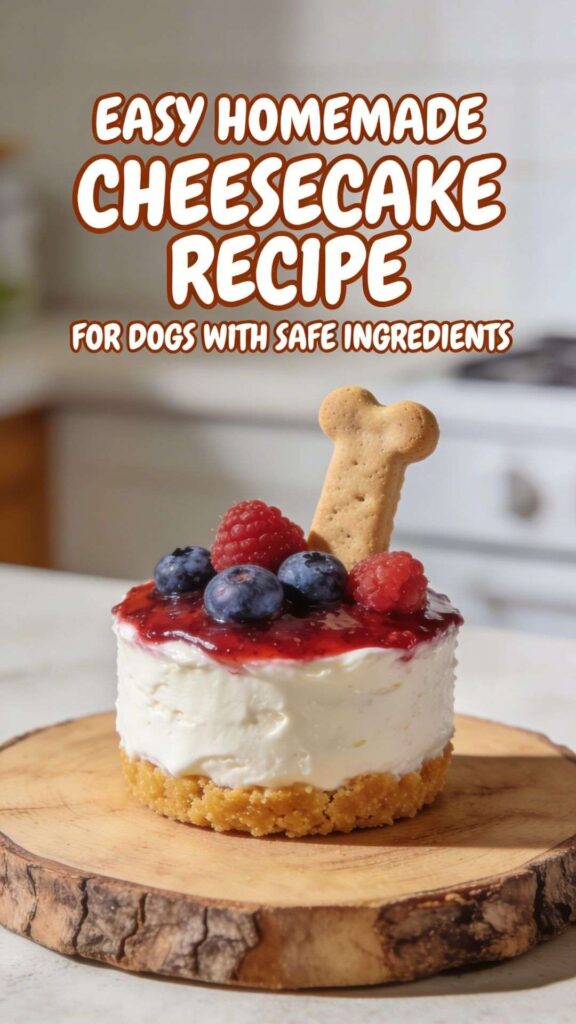
The Recipe: Step-by-Step Cheesecake
This recipe is designed to be simple enough for any owner to master. It requires no complex techniques, just a bit of blending and a patient wait while it sets in the oven.
Ingredients for the Cheesecake
- 1 cup of Low-Fat Cottage Cheese
- 1/2 cup of Plain, Unsweetened Yogurt
- 1 Egg (to bind the filling)
- 1/2 cup of Oat Flour (for the crust)
- 1 tablespoon of Honey (optional)
Preparation Instructions
- The Crust: Mix the oat flour with a teaspoon of water and the honey until it forms a crumbly dough. Press this firmly into the bottom of a small, greased ramekin or springform pan.
- The Filling: Blend the cottage cheese, yogurt, and egg until perfectly smooth. Pour this mixture over your prepared crust.
- The Bake: Place in a preheated oven at 325°F (160°C) for about 25–30 minutes. The edges should be set, but the center should still have a slight jiggle.
- The Cool: This is the hardest part. Let the cheesecake cool completely at room temperature, then refrigerate for at least two hours before serving.
Look, prepping and cooking for your dog is great, but sometimes you might be too tired or maybe a tad lazy, or maybe you just want to give yourself a well deserved break.

In such times, you want something reliable and nutritious for your dog, and that’s where Ollie comes in. It’s my favorite dog food subscription ever.
Fresh human grade dog food sent to your doorstep, and there’s no lock in.
Give it a shot, will ya?
Serving and Portioning
Cheesecake is a rich treat, even when made with safe ingredients. It should be served in small portions as a topper or a special reward, rather than a full meal replacement.
How to Serve
- Small Dogs: A slice no larger than a postage stamp is plenty.
- Large Dogs: A wedge about the size of a golf ball is a generous portion.
- Toppings: You can garnish the top with a few fresh blueberries or a thin slice of strawberry for an extra touch of elegance.

Essential Tools for Dog Baking
| Tool | Purpose | Estimated Cost | Substitution |
|---|---|---|---|
| Small Ramekin | Perfect size for a dog portion | $5 – $10 | A muffin tin lined with paper |
| Blender | Ensures a smooth, creamy filling | $20 – $50 | A vigorous whisk and a sieve |
| Springform Pan | Makes removal easy and clean | $10 – $15 | Any small, oven-safe dish |
| Measuring Cups | Ensures the right balance of ingredients | $5 – $10 | Estimating by eye (not recommended) |
Frequently Asked Questions (FAQ)
Can I use fat-free dairy instead of low-fat?
Yes, fat-free cottage cheese and yogurt are perfectly safe. In fact, for dogs prone to weight gain or pancreatitis, fat-free options are often the better choice. Just ensure there are no added sugars or artificial sweeteners in the product.
What if my dog is lactose intolerant?
While cottage cheese and yogurt are lower in lactose, some dogs are extremely sensitive. If your dog has never had dairy, start with a tiny taste. If they experience gas or loose stools, it is best to avoid dairy-based treats entirely.
How long will the cheesecake stay fresh?
Because of the fresh dairy and egg, this cheesecake should be kept in the refrigerator. it will stay fresh and delicious for up to three to four days. You can also freeze individual slices for up to a month.


