Do you know what DOG ESSENTIALS you are missing out? Find out now!


Zack Keithy, our author, is a certified veterinarian technician (UC Blue Ash) for over 6 years (contact him here). The articles written here are based on his expertise and experience, combined with a review by our expert vet reviewers including Dr M. Tarantino. Learn more about us here.
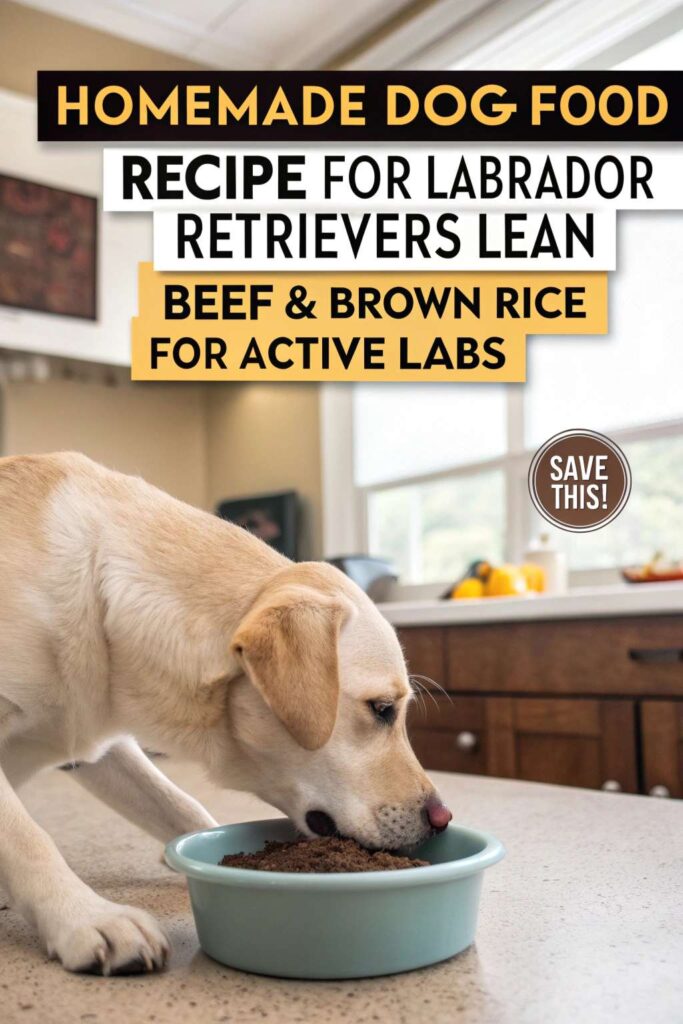
Alright, let’s discuss how we feed our Labs. We understand that these dogs are really just bundles of energy, don’t we? And since they are very active, their food is what really counts for their health and the way they will feel every day.
I get the vibe from a huge number of you that you are concerned about food that is bought from a store, or maybe your Lab has a sensitive stomach, or you simply want to be the one who knows exactly what is going into their bowl.
That is completely normal. This is the reason why an increasing number of people are considering the preparation of food at home, which is why this homemade dog food recipe is gonna be perfect for you.
Medical Questions? Talk to a Veterinarian 24/7.
Connect one-on-one with a licensed vet who will answer your questions in minutes.
*Article may contain affiliate links to retailers like Amazon and Chewy. Learn more on our disclosure page.
Why Homemade Food Can Be Great for Your Active Lab
You know your Lab best. Their energy, coat, digestion. Homemade puts you in control: fresh ingredients, no fillers upsetting tummies.
Active Labs are furry athletes needing balanced fuel: lean protein for muscle repair (zoomies demand it), complex carbs for sustained energy, healthy fats for skin/coat shine, and vitamins/minerals to thrive without pudgy pounds.
Ingredients You’ll Need
Here’s what we’re putting in this batch:
- 2 lbs lean ground beef (like 90/10 or 93/7). This gives us good protein without too much fat.
- 2 cups cooked brown rice. Make sure it’s plain, just cooked in water. This is our sustained energy source.
- 1 cup finely chopped carrots. Good for vitamin A and a bit of crunch.
- 1 cup finely chopped green beans. Another great veggie, lots of fiber.
- 1/2 cup chopped spinach. Packed with vitamins and minerals.
- 2 tablespoons olive oil or flaxseed oil. For healthy fats, coat health, and helps with absorption.
- 1/4 cup unsweetened, plain pumpkin puree. This is great for digestion and adds fiber. Make sure it’s not pumpkin pie filling!
- 1-2 multivitamin/mineral supplements for dogs. This is where your vet’s input is crucial. They can recommend the right one to ensure your homemade food is nutritionally complete and balanced. You can crush it or mix it in.
Look, prepping and cooking for your dog is great, but sometimes you might be too tired or maybe a tad lazy, or maybe you just want to give yourself a well deserved break.

In such times, you want something reliable and nutritious for your dog, and that’s where Ollie comes in. It’s my favorite dog food subscription ever.
Fresh human grade dog food sent to your doorstep, and there’s no lock in.
Give it a shot, will ya?
Step-by-Step Instructions
- First, brown the ground beef in a large pan over medium heat. Break it up as it cooks. Make sure it’s fully cooked through.
- Once it’s done, drain off any excess fat. You want to keep it lean.
- Next, add the chopped carrots, green beans, and spinach to the pan with the beef. Cook these for about 5-7 minutes, until they’re tender-crisp. You don’t want them mushy, just softened a bit.
- Take the pan off the heat. Now, stir in the cooked brown rice, the olive oil or flaxseed oil, and the pumpkin puree.
- Let the mixture cool down completely. This is important before adding the supplement and before storing. You don’t want to cook out the benefits of the oil or the supplement.
- Once it’s cool, mix in the crushed or liquid dog multivitamin/mineral supplement. Make sure it’s evenly distributed throughout the food.
Feeding Your Lab and Storing the Food
Portions
For active adult Labs: 2-3 cups/day, split into 2 meals. Adjust based on weight/activity (gain = cut back; loss/hunger = add). Vet for exact calories.
Storage
Refrigerate airtight 3-4 days; freeze portions up to 2 months. Thaw overnight in fridge.
Important Considerations and Common Mistakes
Nutritional Balance
Vet-chosen multivitamin/mineral is essential—dogs need precise ratios to avoid deficiencies.
Safe Veggie Swaps
Try peas, sweet potatoes, broccoli (moderation). Google “safe for dogs”; skip onions, garlic, grapes, raisins, avocado.
Allergy Watch
Introduce new foods slowly; stop if tummy upset or itching occurs.
Cost/Time Reality
Prep takes time and may cost more than kibble—commit wisely.
Hygiene First
Clean hands, utensils, storage to prevent spoilage.
My Personal Take on Homemade Food
I’ve helped many Labs and owners see homemade diets clear skin issues, ease digestion, or just bring owner peace of mind. It’s no magic fix, not for everyone, but done right with vet guidance, it’s transformative.
This recipe is your blueprint: vet-approved basics plus supplements, customizable for your Lab. Good food fuels their best life.
FAQ
Is this recipe complete and balanced on its own?
No, not without the added multivitamin/mineral supplement specifically for dogs. It’s crucial to add a vet-approved supplement to ensure all necessary nutrients are covered for long-term feeding.
Can I use different proteins, like chicken or turkey?
Yes, you absolutely can! Lean ground chicken or turkey are great alternatives. Just make sure they are thoroughly cooked and any fat is drained off.
My Lab doesn’t like one of the vegetables. What can I do?
It’s okay to swap vegetables. Good alternatives include peas, cooked sweet potato (small amounts), or even finely chopped broccoli. Always make sure any new vegetable is safe for dogs and introduce it slowly.
How do I know how much to feed my specific Labrador?
Start with the guideline of 2-3 cups per day, divided into two meals. Then, closely monitor your dog’s weight and energy levels over a week or two. If they are gaining weight, reduce the amount slightly. If they seem too thin or constantly hungry, you can increase it. Your veterinarian is the best resource for precise caloric needs based on your dog’s individual factors.
Can I cook a large batch and freeze it?
Yes, absolutely! Cooking in larger batches and freezing individual portions is a great way to save time. Store in airtight containers or freezer bags for up to two months. Thaw in the refrigerator overnight before serving.