Do you know what DOG ESSENTIALS you are missing out? Find out now!



Zack Keithy, our author, is a certified veterinarian technician (UC Blue Ash) for over 6 years (contact him here). The articles written here are based on his expertise and experience, combined with a review by our expert vet reviewers including Dr M. Tarantino. Learn more about us here.
Is your dog scratching more than they normally do or perhaps refusing their food? Most commercial dog foods are filled with fillers and allergens that our pets may react to with skin problems, stomach aches, and with no desire to eat.
However, a healthy and delicious homemade meal for your dog is without doubt the best solution and it doesn’t have to be expensive or challenging.
Medical Questions? Talk to a Veterinarian 24/7.
Connect one-on-one with a licensed vet who will answer your questions in minutes.
*Article may contain affiliate links to retailers like Amazon and Chewy. Learn more on our disclosure page.
Recipe Overview
- Purpose & Benefits: This recipe offers a nutrient-dense, homemade meal that’s perfect for dogs of all sizes, especially those needing an energy boost or a more natural diet. It’s packed with protein, essential vitamins, and minerals that support heart health, a shiny coat, and overall vitality.
- Prep Time: 15 minutes
- Cook Time: 45 minutes
- Serving Size: Approximately 8-10 servings (for a medium-sized dog)
[lasso ref=”fave” id=”19043″]
Ingredients List
- Beef Heart (1.5 lbs): Approximately $5.00 – $7.50. This is a lean protein powerhouse, rich in CoQ10, iron, and B vitamins. It’s often overlooked but incredibly beneficial for canine heart health and energy.
- Brown Rice (2 cups, uncooked): Approximately $1.00 – $1.50. A great source of complex carbohydrates for sustained energy and dietary fiber. It’s gentle on the stomach.
- Asparagus (1 bunch, about 1 lb): Approximately $3.00 – $4.00. Loaded with vitamins K, A, C, E, and B vitamins, plus essential minerals. It’s also a good source of fiber and acts as a natural diuretic.
- Carrots (3 medium): Approximately $0.50 – $0.75. Provides beta-carotene for vision and immunity, plus fiber.
- Sweet Potatoes (2 medium): Approximately $2.00 – $3.00. Another excellent source of complex carbs, vitamins A and C, and dietary fiber.
- Peas (1 cup, frozen or fresh): Approximately $1.00 – $1.50. A good source of vitamins K, C, and B vitamins, as well as minerals and fiber.
- Chicken or Beef Broth (4 cups, low sodium): Approximately $1.50 – $2.50. Adds moisture, flavor, and extra nutrients. Ensure it’s low sodium and free of onion or garlic.
- Olive Oil (1 tablespoon): Approximately $0.10 – $0.20. A healthy fat source that aids nutrient absorption and promotes a shiny coat.
Estimated Total Cost: $14.10 – $21.70
Suitable Substitutions: If beef heart is hard to find, chicken gizzards or other organ meats like liver can be used, though the nutritional profile will vary slightly. For grains, oats or quinoa are good alternatives to brown rice. Green beans or broccoli florets can replace asparagus if needed, maintaining a good fiber and vitamin content. Ensure all substitutions are dog-safe.

Step-by-Step Instructions
- Prepare the Beef Heart: First, rinse the beef heart under cold water. Trim off any tough membranes or excess fat. Cut the heart into small, half-inch pieces that are easy for your dog to chew and digest.
- Cook the Rice: In a large pot, combine the 2 cups of brown rice with 4 cups of low-sodium chicken or beef broth. Bring it to a boil, then reduce the heat to low, cover, and let it simmer for about 35-40 minutes, or until the rice is tender and the liquid is absorbed.
- Chop the Vegetables: While the rice cooks, wash and peel the carrots and sweet potatoes. Dice them into small, dog-friendly pieces. Snap off the tough ends of the asparagus and chop the spears into half-inch pieces.
- Sauté the Beef Heart and Vegetables: Heat 1 tablespoon of olive oil in a large skillet or Dutch oven over medium heat. Add the chopped beef heart and cook for 5-7 minutes, stirring occasionally, until it’s lightly browned.
- Next, add the diced carrots and sweet potatoes to the skillet. Cook for another 10-12 minutes, stirring often, until they start to soften.
- Stir in the chopped asparagus and peas. Cook for an additional 5-7 minutes, until the asparagus is tender-crisp.
- Combine All Ingredients: Once the rice is cooked, add it to the skillet with the beef heart and vegetables. Mix everything together thoroughly.
- Continue to cook for another 2-3 minutes, allowing all the flavors to meld.
- Cool Before Serving: Remove the mixture from the heat and let it cool completely before serving it to your dog. It should be at room temperature to avoid burning their mouth.
[lasso ref=”the-forever-dog-life-120-recipes-longevity-tips-and-new-science-for-better-bowls-and-healthier-homes” id=”18607″]
Feeding Guidelines
- Small Dogs (under 20 lbs): Start with 1/2 to 1 cup per day, divided into two meals. A Shih Tzu, for example, might do well with 3/4 cup daily.
- Medium Dogs (20-50 lbs): Offer 1.5 to 2.5 cups per day, split into two meals. A Beagle could thrive on 2 cups.
- Large Dogs (50-90 lbs): Serve 3 to 4 cups per day, divided into two meals. A Golden Retriever might need 3.5 cups.
- Giant Breeds (over 90 lbs): They may require 4.5 cups or more, spread across two or three meals.
- Adjust for Activity Level: More active dogs, like a Border Collie, might need slightly larger portions to fuel their energy. Less active or senior dogs may need a bit less to maintain a healthy weight.
- Puppies vs. Seniors: Puppies usually need more frequent, smaller meals due to their rapid growth, while senior dogs might benefit from slightly smaller, easily digestible portions.
- Consult Your Vet: These are general guidelines. Every dog is different, and their specific caloric needs can vary. Always talk to your veterinarian to get personalized feeding recommendations, especially if your dog has any health conditions or dietary restrictions.
Nutritional Benefits of the Recipe
- Beef Heart: This often-underestimated organ meat is a fantastic source of protein, essential amino acids, and vital nutrients like CoQ10, iron, and B vitamins (B6, B12, niacin). It supports strong muscles, provides sustained energy, and promotes excellent cardiovascular health.
- Brown Rice: Offers complex carbohydrates for steady energy release, preventing blood sugar spikes. It’s also a good source of fiber, aiding in healthy digestion and regular bowel movements.
- Asparagus: Rich in vitamins K, A, C, and E, as well as folate and chromium. It’s a natural diuretic, helping with kidney health, and its fiber content supports digestive wellness.
- Carrots: Packed with beta-carotene, which converts to Vitamin A in the body, supporting healthy vision, immune function, and skin. They also provide fiber and antioxidants.
- Sweet Potatoes: An excellent source of dietary fiber, helping digestion and promoting gut health. They’re also loaded with vitamins A and C, and manganese, which are great for immunity and overall vitality.
- Peas: Provide a good amount of vitamins K, C, and several B vitamins, along with minerals and antioxidants. They contribute to bone health and provide additional fiber.
- Olive Oil: A healthy monounsaturated fat that helps with nutrient absorption, particularly fat-soluble vitamins. It’s also great for promoting a shiny coat and healthy skin.

Storage and Serving Tips
- Refrigeration: Store any leftovers in an airtight container in the refrigerator for up to 3-4 days. Make sure it cools completely before storing to prevent bacterial growth.
- Freezing Instructions: For longer storage, portion the cooled food into individual servings using freezer-safe bags or containers. It can be frozen for up to 2-3 months. Label with the date to keep track.
- Reheating: Thaw frozen portions in the refrigerator overnight. You can serve it cold, at room temperature, or gently warm it in the microwave or on the stovetop. Ensure it’s not too hot before serving.
- Serving Ideas: This homemade meal can be served on its own as a complete meal. You can also mix it with your dog’s regular kibble to transition them slowly or to add variety and extra nutrients to their diet. Some dogs enjoy it slightly warmed, which can bring out the flavors.
Common Questions & Troubleshooting
Is beef heart safe for all dogs?
Yes, beef heart is generally very safe and highly nutritious for most dogs. It’s a lean muscle meat, not an organ meat in the traditional sense, so it can be fed regularly. However, if your dog has specific health issues, always check with your vet first.
Can I use other vegetables?
Absolutely! Many vegetables are safe and beneficial for dogs, like green beans, broccoli (in moderation), spinach, and pumpkin. Avoid onions, garlic, grapes, and avocados, which are toxic to dogs. Always research new vegetables before adding them.
My dog has a sensitive stomach. Is this recipe suitable?
This recipe uses brown rice and easily digestible proteins and vegetables, making it a good option for sensitive stomachs. However, introduce any new food gradually. Start with a small amount mixed with their current food and slowly increase the proportion over several days.
How do I know if my dog is getting all the nutrients they need?
While this recipe is balanced for a healthy adult dog, long-term feeding of homemade food can sometimes lead to nutrient deficiencies if not properly formulated. For complete nutritional assurance, consult with a veterinary nutritionist. They can help you create a long-term balanced plan or recommend supplements.
The recipe makes a lot. Can I reduce the quantity?
Yes, you can easily halve or quarter the ingredients to make a smaller batch. Adjust the cooking times accordingly. For example, if you use less rice, you’ll need less broth and a shorter cooking time.
📖 Don’t Miss This…
Need more ideas on what to cook for your dog? Then you must check out my library of homemade dog food recipes today!
Wrapping Up
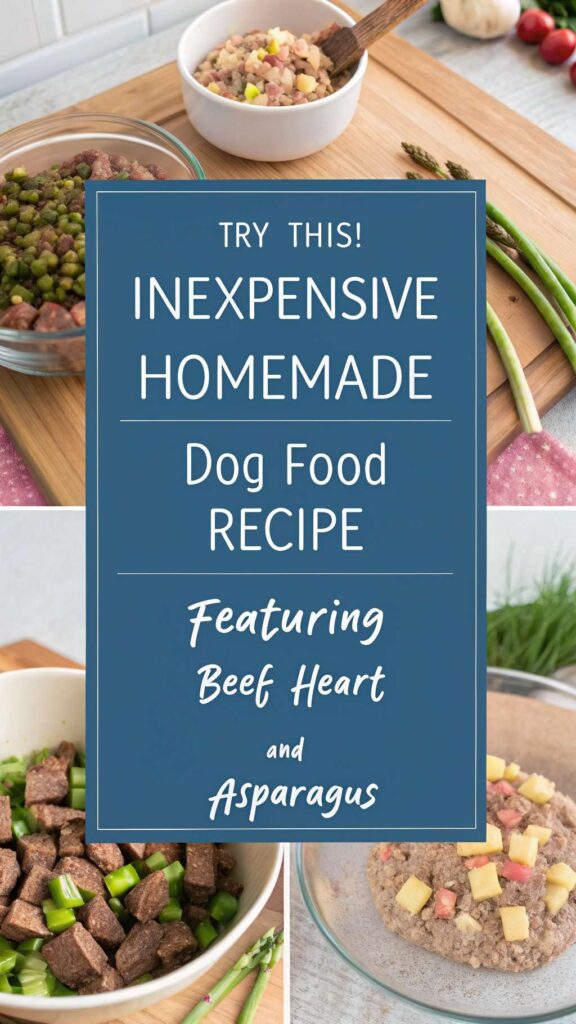
Whipping up this homemade beef heart and asparagus meal is a fantastic way to show your dog some love and boost their health. It’s simple, budget-friendly, and packed with goodness your pup will adore!
Feeling inspired? Pin this recipe to your Homemade Dog Food board for easy access and follow us for more pet-friendly tips!