Do you know what DOG ESSENTIALS you are missing out? Find out now!



Zack Keithy, our author, is a certified veterinarian technician (UC Blue Ash) for over 6 years (contact him here). The articles written here are based on his expertise and experience, combined with a review by our expert vet reviewers including Dr M. Tarantino. Learn more about us here.
Have you noticed your dog scratching more, looking somewhat dull, or being fussy with their food?
Most commercial dog foods are loaded with fillers and artificial ingredients that may lead to allergies, digestive upset, and lack of vitality.
When ingredient lists are lengthy and confusing, it is quite difficult to know what is really good for your pet.
However, if you were able to quickly prepare a meal for your dog that is not only tasty but also gives back to their health, that would be a great miracle, right? A meal like that can be made by you and I will teach you today.
Medical Questions? Talk to a Veterinarian 24/7.
Connect one-on-one with a licensed vet who will answer your questions in minutes.
*Article may contain affiliate links to retailers like Amazon and Chewy. Learn more on our disclosure page.
Recipe Overview
- This homemade dog food recipe is budget-friendly, taking about 45 minutes to prepare.
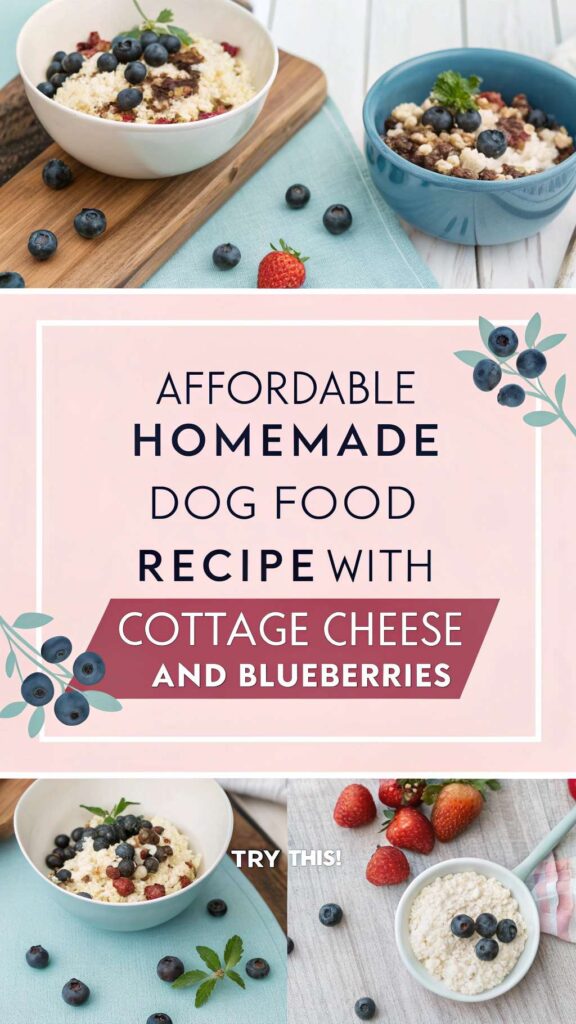
- It focuses on whole, natural ingredients like cottage cheese and blueberries, offering a fantastic blend of protein, healthy fats, and antioxidants.
- Ideal for maintaining a healthy weight, supporting strong bones, and boosting overall vitality.
- Prep Time: 15 minutes
- Cook Time: 30 minutes
- Serving Size: Approximately 10-12 servings for a medium-sized dog (adjust based on dog’s needs).
[lasso ref=”fave” id=”19043″]
Ingredients List
- Ground Turkey (93% lean): 2 lbs – $8.00 – $10.00
- Cottage Cheese (low-fat, plain): 16 oz (1 large container) – $3.00 – $4.00
- Blueberries (fresh or frozen): 1 cup – $3.00 – $5.00
- Brown Rice (uncooked): 2 cups – $1.50 – $2.50
- Carrots (chopped): 2 large – $1.00 – $1.50
- Green Beans (fresh or frozen, chopped): 1 cup – $1.50 – $2.00
- Spinach (fresh): 1 cup – $1.00 – $1.50
- Olive Oil: 1 tablespoon – $0.50
- Eggs (large): 2 – $0.50
- Ground Flaxseed: 2 tablespoons – $0.50
Total Estimated Cost: $20.50 – $27.50
Substitutions:
- Ground Turkey can be swapped for lean ground beef or chicken.
- Brown Rice can be replaced with cooked oatmeal or quinoa for a different grain option.
- Blueberries can be substituted with chopped apples (remove seeds) or raspberries.
- Carrots and green beans are flexible; feel free to use other dog-safe vegetables like pumpkin or sweet potato.

Step-by-Step Instructions
- Start by cooking the brown rice. Rinse 2 cups of brown rice thoroughly under cold water. Combine it with 4 cups of water in a pot. Bring to a boil, then reduce heat to low, cover, and simmer for 25-30 minutes, or until all water is absorbed. Fluff with a fork and set aside to cool.
- While the rice cooks, brown the ground turkey. Heat 1 tablespoon of olive oil in a large skillet or pot over medium heat. Add the ground turkey and cook, breaking it up with a spoon, until it’s fully browned and no pink remains. This usually takes about 8-10 minutes. Drain any excess fat.
- Next, add the vegetables. Stir in the chopped carrots, green beans, and spinach into the cooked turkey. Cook for 5-7 minutes, until the vegetables are tender-crisp. You want them soft enough to digest but still retaining some nutrients.
- Let the mixture cool. Remove the turkey and vegetable mixture from the heat. Allow it to cool down significantly before mixing in the remaining ingredients. This is important so you don’t cook the eggs or cottage cheese.
- Once cooled, combine all ingredients. In a very large bowl, combine the cooked ground turkey and vegetables, the cooled brown rice, the cottage cheese, blueberries, raw eggs, and ground flaxseed.
- Mix everything thoroughly. Use a large spoon or your hands (wearing gloves) to mix until all ingredients are evenly distributed. Make sure the cottage cheese and eggs are well incorporated throughout the entire mixture.
[lasso ref=”the-forever-dog-life-120-recipes-longevity-tips-and-new-science-for-better-bowls-and-healthier-homes” id=”18607″]
Feeding Guidelines
- Small Dogs (under 20 lbs): Feed about ½ to 1 cup per day, divided into two meals. A Shih Tzu might need ½ cup, while a Corgi could need 1 cup.
- Medium Dogs (20-50 lbs): Feed 1 to 2 cups per day, divided. For example, a Bulldog might eat 1.5 cups, a Border Collie 2 cups.
- Large Dogs (over 50 lbs): Feed 2 to 3.5 cups per day, divided. A Golden Retriever could need 2.5 cups, a German Shepherd 3.5 cups.
- Adjust for activity level: Very active dogs might need 25-50% more food. Less active or senior dogs may need slightly less to maintain a healthy weight.
- Puppies and pregnant/nursing dogs: These dogs have higher caloric needs. Puppies might need up to twice the adult amount for their weight. Pregnant or nursing mothers will also require significantly more food.
- Always consult your veterinarian for precise feeding recommendations tailored to your dog’s specific health needs, age, and activity level. They can help you determine the exact portion size.
Nutritional Benefits of the Recipe
- Ground Turkey: This is a lean protein source, essential for muscle development, repair, and overall strength. It’s also easier to digest for many dogs than other meats.
- Cottage Cheese: Packed with protein and calcium, cottage cheese supports strong bones and teeth. The probiotics can also aid in healthy digestion.
- Blueberries: These small powerhouses are full of antioxidants, which combat free radicals and support a healthy immune system. They also provide essential vitamins like C and K.
- Brown Rice: A good source of complex carbohydrates, brown rice provides sustained energy and dietary fiber, which helps with healthy digestion and bowel regularity.
- Carrots: Rich in beta-carotene, which converts to Vitamin A, carrots are great for vision health, skin, and coat. They also offer fiber and crunch.
- Green Beans & Spinach: These leafy greens are low in calories but high in vitamins (K, C, A), minerals, and fiber. They contribute to overall vitality without adding excess weight.
- Olive Oil: A healthy fat that promotes skin and coat health, reducing dryness and shedding. It’s also an anti-inflammatory.
- Eggs: A complete protein source, eggs provide essential amino acids, vitamins, and minerals that contribute to muscle health, nerve function, and a shiny coat.
- Ground Flaxseed: An excellent source of Omega-3 fatty acids, which are vital for reducing inflammation, supporting brain function, and promoting healthy skin and a glossy coat.

Storage and Serving Tips
- Refrigeration: This homemade dog food will stay fresh in an airtight container in the refrigerator for up to 3-4 days. Divide it into daily portions for easy feeding.
- Freezing: For longer storage, portion out the food into individual servings using freezer-safe bags or containers. It can be frozen for up to 2-3 months.
- Reheating: When ready to serve from the freezer, thaw a portion in the refrigerator overnight. You can serve it cold, at room temperature, or slightly warmed.
- Serving: Serve the food as is, or mix it with your dog’s favorite kibble to transition them slowly or add variety. Make sure it’s not too hot if you warm it.
Common Questions & Troubleshooting
Is this recipe suitable for puppies?
This recipe can be adapted for puppies, but it’s crucial to discuss it with your vet first. Puppies have specific growth requirements, and their diet may need additional supplements or different proportions of ingredients.
Can I use other vegetables?
Yes, many other vegetables are safe for dogs! Options like pumpkin, sweet potato, peas, or zucchini are great. Always avoid onions, garlic, grapes, and raisins, as these are toxic to dogs.
My dog has a sensitive stomach. Is this recipe good for them?
Many dogs with sensitive stomachs do well on whole, easily digestible ingredients like those in this recipe. The lean turkey, brown rice, and cottage cheese are often well-tolerated. However, introduce any new food slowly and monitor your dog for any adverse reactions.
How do I introduce new food to my dog?
To avoid upset stomachs, gradually introduce the new homemade food over 7-10 days. Start by mixing a small amount (about 25%) of the new food with 75% of their old food. Slowly increase the proportion of the homemade food each day until they are fully transitioned.
Do I need to add supplements?
While this recipe is nutritionally dense, prolonged feeding of any homemade diet should be discussed with your vet. They might recommend specific vitamin or mineral supplements to ensure your dog is getting all necessary nutrients, especially for long-term feeding.
📖 Don’t Miss This…
Need more ideas on what to cook for your dog? Then you must check out my library of homemade dog food recipes today!
Wrapping Up
There you have it—a simple, budget-friendly way to nourish your dog with real food. This recipe offers a burst of flavor and a boost of health, making mealtime exciting again.
Feeling inspired? Pin this recipe to your Homemade Dog Food board for easy access and follow us for more pet-friendly tips!