Do you know what DOG ESSENTIALS you are missing out? Find out now!



Zack Keithy, our author, is a certified veterinarian technician (UC Blue Ash) for over 6 years (contact him here). The articles written here are based on his expertise and experience, combined with a review by our expert vet reviewers including Dr M. Tarantino. Learn more about us here.
Hidden ingredients, fillers, and mysterious “by-products” can leave you wondering what your furry friend is actually eating.
Plus, sensitive stomachs and allergies are becoming more common, making mealtime a constant worry.
But what if you could easily make nutritious, delicious food right at home?
I’m about to show you how to do just that with a simple and wholesome recipe.
Medical Questions? Talk to a Veterinarian 24/7.
Connect one-on-one with a licensed vet who will answer your questions in minutes.
*Article may contain affiliate links to retailers like Amazon and Chewy. Learn more on our disclosure page.
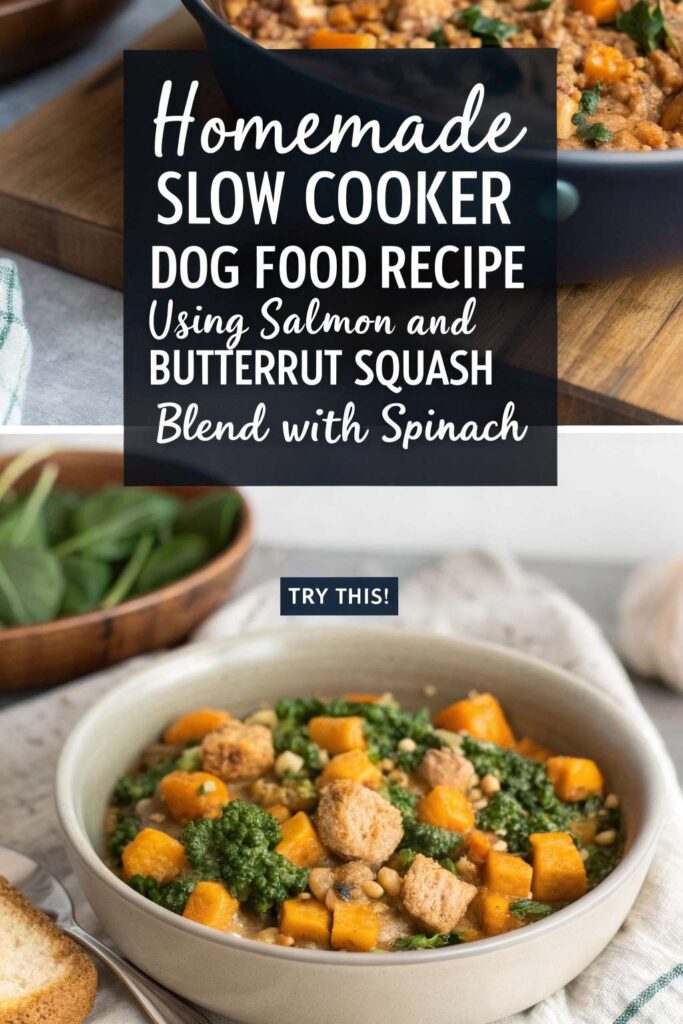
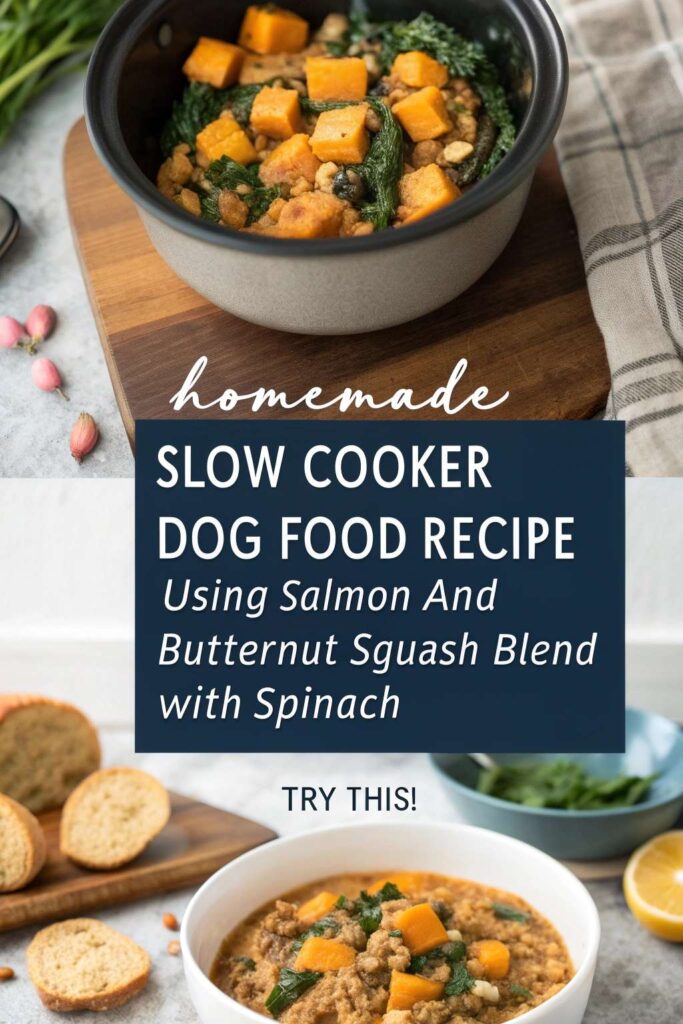
Slow Cooker Salmon & Butternut Squash Dog Food: Easy & Wholesome
This homemade slow cooker dog food recipe is incredibly simple, taking minimal effort for maximum nutritional payoff. It’s perfect for dogs needing a gentle, nutrient-dense diet.
- Purpose: A balanced, omega-rich meal for overall health, especially beneficial for skin, coat, and joint health. Great for sensitive stomachs.
- Prep Time: 15 minutes
- Cook Time: 4-6 hours (on low) or 2-3 hours (on high)
- Serving Size: Approximately 8-10 cups (enough for a medium dog for about a week)
[lasso ref=”fave” id=”19043″]
Ingredients List
Here’s what you’ll need to make this nourishing slow cooker meal for your dog. All ingredients are dog-safe and chosen for their nutritional value.
- 1.5 lbs Boneless, Skinless Salmon Fillets: ~$15-20. Rich in Omega-3s for skin, coat, and joint health.
- 1 large (2-3 lb) Butternut Squash: ~$3-5. Excellent source of vitamins, fiber, and antioxidants.
- 1 cup Cooked Brown Rice: ~$0.50. Provides complex carbohydrates for energy and fiber for digestion. (Cook separately beforehand).
- 2 cups Fresh Spinach: ~$2-3. Packed with iron and vitamins K, A, and C.
- 4 cups Water or Low-Sodium Chicken Broth (ensure no onion/garlic): ~$0.50-1. For moisture and flavor.
- 2 tbsp Coconut Oil: ~$1. Supports healthy digestion, skin, and coat.
- 1/2 cup Frozen Green Beans (optional): ~$1. Adds extra fiber and vitamins.
- 1/4 cup Fresh Parsley, chopped (optional): ~$1. Natural breath freshener and source of vitamins.
- Total Estimated Cost: ~$24-32
Substitutions: You can swap salmon for other lean proteins like boneless, skinless chicken breast or ground turkey. If butternut squash isn’t available, sweet potatoes or pumpkin are good alternatives. Brown rice can be swapped for quinoa or oats for variety.
Step-by-Step Instructions
Making this homemade dog food is straightforward. Just follow these easy steps for a healthy meal for your pup.
- Step 1: Prep the Squash. Carefully peel the butternut squash. Cut it in half, scoop out the seeds, and then chop the flesh into 1-inch cubes.
- Step 2: Add to Slow Cooker. Place the cubed butternut squash, salmon fillets, and frozen green beans (if using) into your slow cooker.
- Step 3: Pour Liquids. Pour in the water or low-sodium chicken broth. Make sure the ingredients are mostly submerged.
- Step 4: Cook. Cover the slow cooker and cook on low for 4-6 hours, or on high for 2-3 hours. The salmon should flake easily, and the squash should be very tender.
- Step 5: Mash & Stir. Once cooked, use a fork or potato masher to break up the salmon and squash right in the slow cooker. It’s okay if there are some larger chunks; most dogs enjoy a varied texture.
- Step 6: Add Final Ingredients. Stir in the pre-cooked brown rice, fresh spinach, coconut oil, and chopped parsley (if using). The residual heat will wilt the spinach quickly.
- Step 7: Cool. Let the mixture cool completely before serving or storing. This is important for your dog’s safety.
[lasso ref=”the-forever-dog-life-120-recipes-longevity-tips-and-new-science-for-better-bowls-and-healthier-homes” id=”18607″]
Feeding Guidelines
Knowing how much to feed your dog is key. These are general guidelines, but every dog is different.
- Small Dogs (under 20 lbs): 1/2 to 1 cup per day. For example, a Chihuahua might need 1/2 cup, while a Jack Russell might need 1 cup.
- Medium Dogs (20-50 lbs): 1.5 to 2.5 cups per day. A Beagle might do well with 1.5 cups, a Border Collie closer to 2.5 cups.
- Large Dogs (50-90 lbs): 3 to 4 cups per day. A Labrador could need 3.5 cups, while a German Shepherd might need 4 cups.
- Giant Breeds (over 90 lbs): 4.5+ cups per day.
Adjust these amounts based on your dog’s activity level and metabolism. Very active dogs might need more. Senior dogs or less active dogs might need less. Always consult your veterinarian for personalized feeding advice, especially if your dog has specific health conditions or dietary needs.
Nutritional Benefits of the Recipe
This recipe isn’t just tasty; it’s packed with goodness for your dog’s health.
- Salmon: An excellent source of Omega-3 fatty acids (EPA and DHA). These are crucial for a healthy, shiny coat, reduced skin inflammation, improved joint health, and brain development in puppies.
- Butternut Squash: Rich in dietary fiber, which aids digestion and promotes healthy bowel movements. It’s also loaded with vitamins A (for vision and immune function) and C (an antioxidant).
- Brown Rice: Provides complex carbohydrates, offering sustained energy without the sugar spikes. It’s a good source of fiber and B vitamins.
- Spinach: A superfood for dogs, too. It’s high in iron, vitamins K, A, and C, and antioxidants. It supports bone health, vision, and the immune system.
- Coconut Oil: Contains medium-chain triglycerides (MCTs) that support cognitive function and provide an easily digestible energy source. It also helps with skin and coat health.
- Green Beans: Low in calories but high in fiber and essential vitamins like K, C, and A. They’re great for adding bulk without extra calories.

Storage and Serving Tips
Proper storage ensures the food stays fresh and safe for your dog. And there are a few ways to serve it up!
- Refrigeration: Store cooked food in an airtight container in the refrigerator for up to 3-4 days.
- Freezing: For longer storage, divide the cooled food into individual portions or freezer-safe bags. It can be frozen for up to 2-3 months. Thaw overnight in the refrigerator before serving.
- Reheating: If frozen, thaw first. You can warm the food slightly in the microwave or on the stovetop. Make sure it’s not too hot before serving. Room temperature is usually fine.
- Serving Ideas: Serve it as a stand-alone meal. You can also mix it with your dog’s regular kibble to add moisture, flavor, and extra nutrients, helping them transition if they’re new to homemade food.
FAQs
What if my dog doesn’t like the texture?
You can use an immersion blender or food processor to make the mixture smoother if your dog prefers a puréed consistency. This is great for older dogs or those with dental issues.
Can I add other vegetables?
Yes, absolutely! Carrots, peas, pumpkin (canned, plain, and unsweetened), or broccoli florets (in moderation) are all dog-safe and nutritious additions. Avoid onions, garlic, grapes, and raisins, as these are toxic to dogs.
Is this recipe balanced for long-term feeding?
This recipe provides many essential nutrients. For long-term feeding as a sole diet, it’s always best to work with a veterinary nutritionist. They can ensure it meets all your dog’s specific vitamin and mineral needs, possibly recommending a supplement.
My dog has allergies. How can I adapt this?
The beauty of homemade food is customization. If your dog is allergic to salmon, try turkey or lamb. If brown rice is an issue, consider quinoa or gluten-free oats. Always introduce new ingredients slowly and monitor your dog for any adverse reactions.
How much does it cost compared to commercial dog food?
The cost varies, but generally, homemade food can be slightly more expensive upfront. However, you’re paying for quality, human-grade ingredients and peace of mind knowing exactly what your dog is eating. It can also reduce vet bills long-term if it helps manage health issues.
Wrapping Up
Making your dog’s food at home doesn’t have to be hard. This slow cooker recipe is simple, nourishing, and shows your dog just how much you care. Give it a try and see the difference!
Feeling inspired? Pin this recipe to your Homemade Dog Food board for easy access and follow us for more pet-friendly tips!