Do you know what DOG ESSENTIALS you are missing out? Find out now!



Zack Keithy, our author, is a certified veterinarian technician (UC Blue Ash) for over 6 years (contact him here). The articles written here are based on his expertise and experience, combined with a review by our expert vet reviewers including Dr M. Tarantino. Learn more about us here.
Is your furry friend dealing with a picky stomach? Maybe they’re scratching more than usual, or their regular kibble just doesn’t sit right. It’s tough seeing them uncomfortable, and finding a solution can feel overwhelming. What if you could give them something truly soothing and delicious right from your own kitchen? Here’s how to make a gentle, homemade meal they’ll love.
Medical Questions? Talk to a Veterinarian 24/7.
Connect one-on-one with a licensed vet who will answer your questions in minutes.
*Article may contain affiliate links to retailers like Amazon and Chewy. Learn more on our disclosure page.
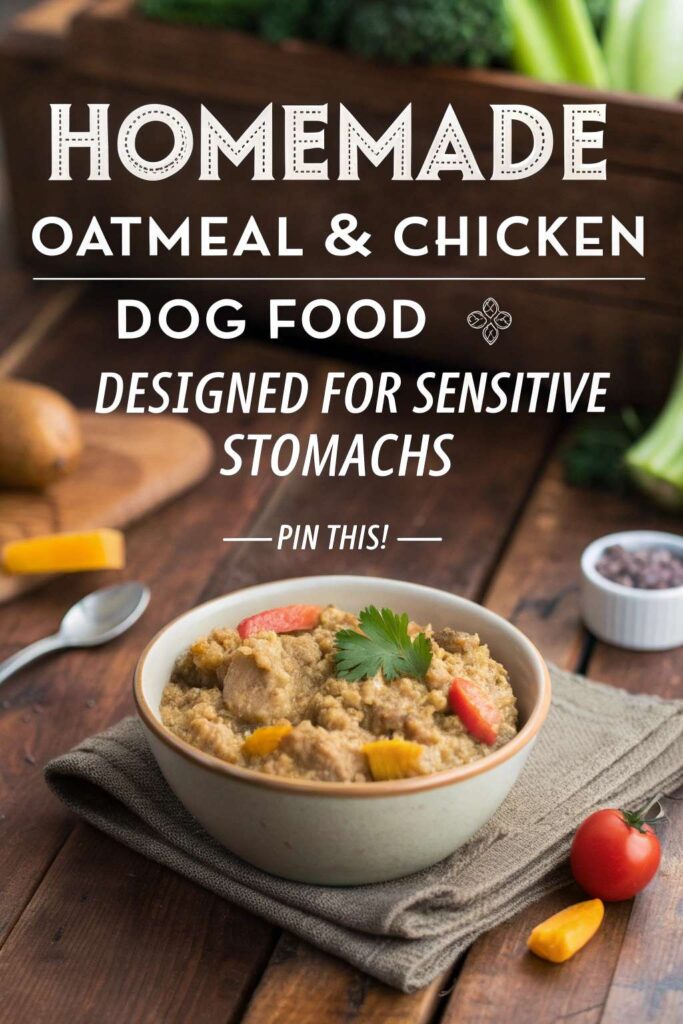
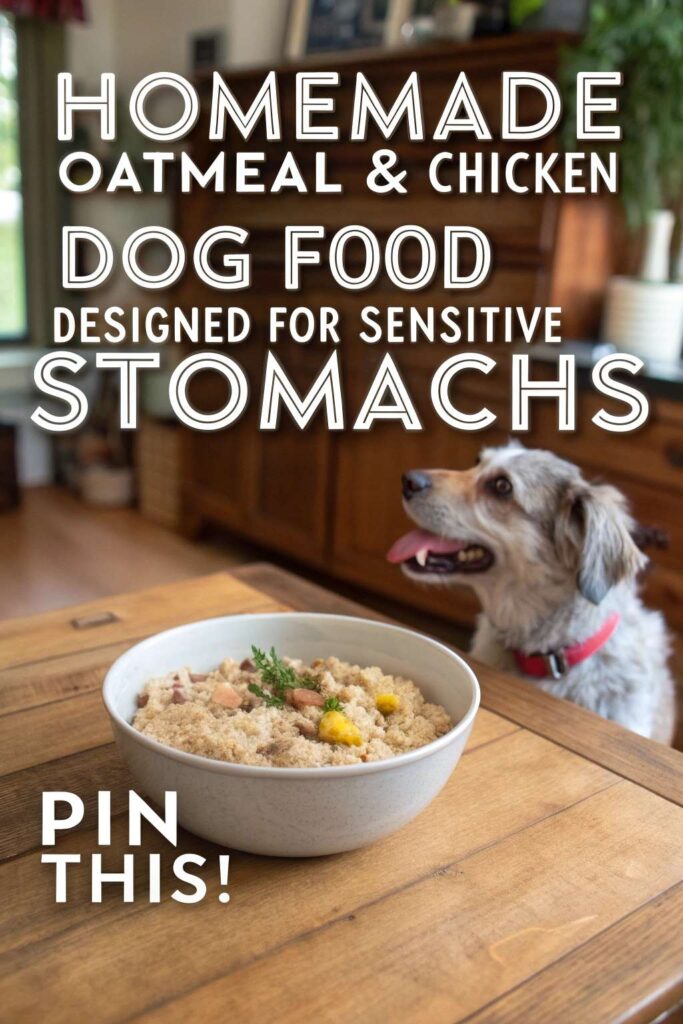
Recipe Overview: Homemade Oatmeal & Chicken Dog Food
- Purpose: This recipe is specially made for dogs with sensitive stomachs, allergies, or those needing easily digestible nutrition. It’s gentle, packed with goodness, and free from common irritants.
- Benefits: High in fiber, lean protein, and essential vitamins, supporting healthy digestion, skin, and energy levels. It can help reduce itching and upset tummies.
- Prep Time: 15 minutes
- Cook Time: 25-30 minutes
- Serving Size: Makes approximately 8-10 cups, enough for a medium dog for 3-4 days.
[lasso ref=”fave” id=”19043″]
Ingredients List
- 1.5 cups rolled oats (not instant): About $0.50. This is the base, great for sensitive tummies. You can’t go wrong with it.
- 1.5 lbs boneless, skinless chicken breast: About $8.00. Lean protein, easy to digest. You can use ground turkey as a substitute for another great option.
- 2 medium sweet potatoes: About $2.00. Rich in vitamins and fiber. Consider pumpkin puree (canned, plain) if sweet potato isn’t available.
- 1 cup frozen green beans: About $1.50. Adds vitamins and crunch. You can use fresh or frozen peas instead, or even chopped zucchini.
- 1 cup carrots, chopped: About $0.75. Good for vision and a sweet addition. You can substitute with spinach or kale if your dog likes greens.
- 4 cups low-sodium chicken broth: About $3.00. Adds moisture and flavor. Plain water works too, but broth really boosts the taste.
- 2 large eggs: About $0.70. A boost of protein and healthy fats.
- 1 tablespoon coconut oil: About $0.50. Great for skin and coat health. Olive oil is a good alternative.
Total Estimated Cost: Approximately $16.15
Step-by-Step Instructions
- Step 1: Prep the Veggies. First, wash and peel the sweet potatoes and carrots. Cut them into small, bite-sized pieces. Smaller pieces cook faster and are easier for your dog to eat.
- Step 2: Cook the Protein. Next, dice the chicken breast into small cubes. In a large pot or Dutch oven, heat the coconut oil over medium heat. Add the chicken and cook until it’s no longer pink, about 5-7 minutes.
- Step 3: Add Liquids and Veggies. Pour in the low-sodium chicken broth. Stir in the chopped sweet potatoes and carrots. Bring the mixture to a gentle boil, then reduce heat to a simmer. Cook for about 10 minutes, or until the sweet potatoes start to soften.
- Step 4: Incorporate Oats and Remaining Veggies. Stir in the rolled oats and frozen green beans (or your chosen substitution). Make sure everything is well mixed. Continue to simmer for another 5-7 minutes, stirring occasionally to prevent sticking. The oats should absorb most of the liquid and become soft.
- Step 5: Add Eggs. Remove the pot from the heat. Crack the two eggs into the mixture and stir well. The residual heat will cook the eggs through.
- Step 6: Cool Down. Let the food cool completely before serving. This is really important to prevent burns. Once cool, you can portion it out or store it for later.
[lasso ref=”the-forever-dog-life-120-recipes-longevity-tips-and-new-science-for-better-bowls-and-healthier-homes” id=”18607″]
Feeding Guidelines
- Small Dogs (under 20 lbs): Start with about 1/2 to 1 cup per day, divided into two meals. A little goes a long way for smaller breeds.
- Medium Dogs (20-50 lbs): Offer 1.5 to 2.5 cups per day, split into two meals. Adjust based on their energy levels.
- Large Dogs (50+ lbs): Provide 3 to 4.5 cups per day, again divided into two meals. Active large dogs might need a bit more.
- Puppies: Growing puppies often need more calories. Consult your vet for precise amounts. This recipe can be great for a sensitive puppy stomach, but they have unique nutritional needs.
- Senior Dogs: Older dogs may need fewer calories but still benefit from nutrient-dense, easy-to-digest food. Adjust portions based on their activity.
- Activity Levels: Highly active dogs might need a little extra food to fuel their energy. Less active dogs should stick to the lower end of the recommendations.
- Vet Consultation: Always talk to your veterinarian before making significant changes to your dog’s diet. They can give you personalized advice based on your dog’s specific health needs and activity level.
Nutritional Benefits of the Recipe
- Rolled Oats: Excellent source of dietary fiber, which aids digestion and can help regulate bowel movements. They are naturally gluten-free and gentle on sensitive stomachs. Oats also contain vitamins and minerals, promoting healthy skin and a shiny coat.
- Chicken Breast: A fantastic source of lean protein, essential for muscle maintenance and repair. It’s easily digestible for most dogs, making it a great choice for sensitive systems.
- Sweet Potatoes: Packed with beta-carotene, an antioxidant, and a good source of vitamins A, C, and B6. They also provide complex carbohydrates for sustained energy and dietary fiber for digestive health.
- Green Beans: Low in calories and high in vitamins K and C, and manganese. They add bulk and fiber to the diet without a lot of extra calories, helping with weight management.
- Carrots: Rich in beta-carotene, which is converted to Vitamin A in the body, supporting good vision and immune function. They also offer fiber and antioxidants.
- Eggs: A complete protein source, meaning they contain all essential amino acids. They’re also loaded with vitamins D, E, and B vitamins, plus minerals like zinc and iron, all crucial for overall health.
- Coconut Oil: Contains medium-chain triglycerides (MCTs), which are easily digested and can provide a quick energy source. It’s also known for supporting skin and coat health, reducing dryness and itchiness.

Storage and Serving Tips
- Refrigeration: Store any leftovers in an airtight container in the refrigerator for up to 3-4 days. This keeps it fresh and safe.
- Freezing: For longer storage, portion the cooled food into freezer-safe bags or containers. It can be frozen for up to 2-3 months. This is perfect for meal prepping.
- Reheating: Thaw frozen portions in the refrigerator overnight or use the defrost setting on your microwave. You can warm refrigerated portions gently in the microwave for a few seconds to take the chill off, but make sure it’s not hot.
- Serving Temperature: Always serve this food at room temperature or slightly warm. Never serve it hot directly from cooking or reheating, as it could burn your dog’s mouth.
- Mixing Options: You can serve this homemade meal on its own or mix it with your dog’s regular kibble. If mixing, start with a small amount to see how your dog reacts, then gradually increase the homemade portion.
- Picky Eaters: If your dog is a bit hesitant, try adding a sprinkle of their favorite low-sodium cheese or a dash of plain, unsweetened yogurt on top.
Common Questions & Troubleshooting
Can I make this recipe in a slow cooker?
Yes, you absolutely can. Cook the chicken and veggies with the broth on low for 4-6 hours or high for 2-3 hours. Add the oats during the last 30 minutes. Stir in the eggs after cooking, once it’s off the heat.
My dog has other allergies. What substitutions can I make?
If chicken is an issue, try ground turkey or lean ground beef. For carb allergies, swap sweet potato with pumpkin puree or even white potato (cooked well). Always make sure any substitute is dog-safe.
How do I know if this food is working for my dog’s sensitive stomach?
You should see improvements in their digestion, like more consistent stools and less gas. Their coat might get shinier, and their itching could decrease. Give it a week or two to see positive changes.
Is this recipe nutritionally complete for long-term feeding?
This recipe provides excellent nutrition, but for long-term, exclusive feeding, it’s best to consult a veterinary nutritionist. They can help ensure it meets all specific needs for your dog’s age and health, possibly recommending a vitamin supplement.
📖 Don’t Miss This…
Need more ideas on what to cook for your dog? Then you must check out my library of homemade dog food recipes today!
Wrapping Up
Ready to give your dog the gift of a happy tummy? This simple recipe is a great start. Feeling inspired? Pin this recipe to your Homemade Dog Food board for easy access and follow us for more pet-friendly tips!